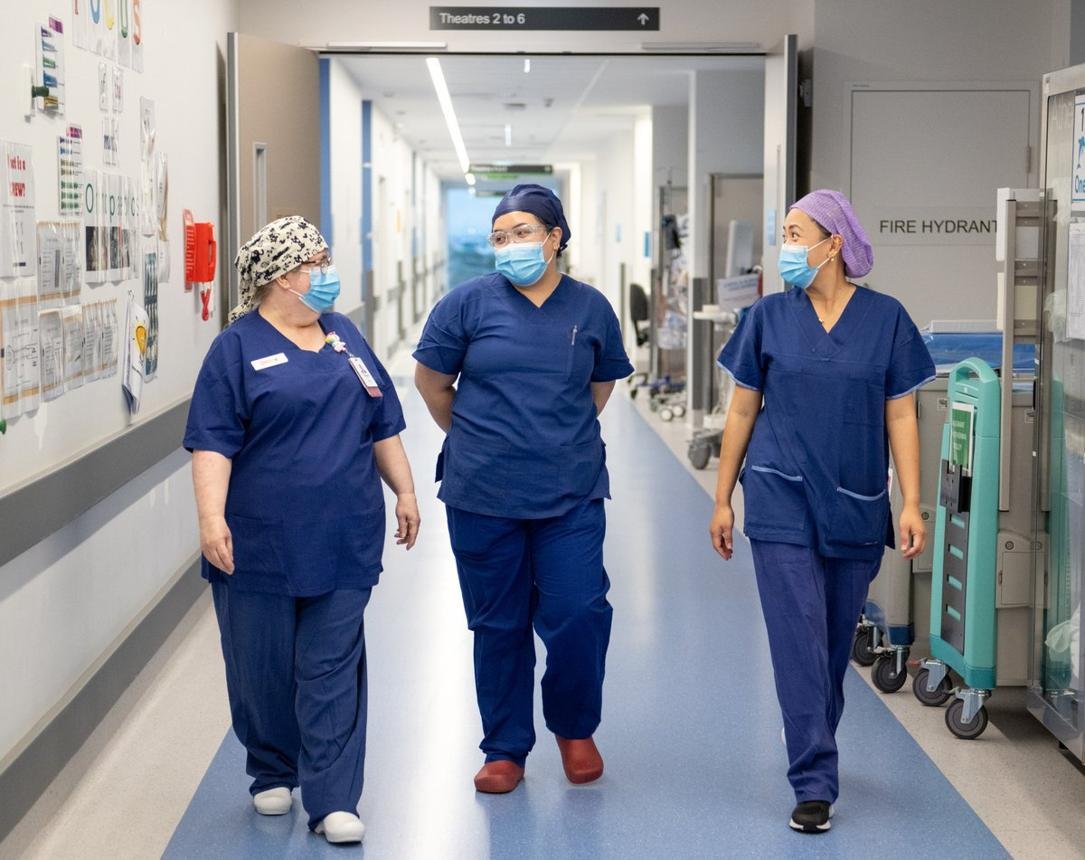
Violence Against Healthcare Workers Remains a Global Concern
The World Health Organization (WHO) has reaffirmed that violence against healthcare workers continues to be a serious global public health issue. Recent findings indicate that approximately four out of every ten healthcare workers worldwide experience violence during their careers, ranging from verbal abuse and threats to physical assaults. These incidents not only endanger healthcare professionals but also disrupt patient care and place additional strain on already burdened health systems.
WHO emphasizes that protecting healthcare workers is essential for ensuring safe, accessible, and high quality healthcare services for everyone.
Healthcare Professionals Face Multiple Forms of Violence
Violence in healthcare settings extends far beyond physical attacks. Doctors, nurses, emergency responders, and other frontline staff frequently encounter verbal abuse, intimidation, harassment, and threats from patients or their attendants.
According to WHO, most incidents occur within healthcare facilities and are often linked to overcrowding, long waiting times, communication challenges, emotional distress, or dissatisfaction with treatment outcomes. Such incidents create unsafe working environments and affect both staff wellbeing and patient safety.
Impact on Healthcare Systems
Violence against healthcare workers has consequences that extend well beyond the individuals directly affected.
Repeated exposure to aggression contributes to stress, anxiety, burnout, reduced job satisfaction, and staff shortages. It may also discourage healthcare professionals from continuing in high pressure specialties such as emergency medicine and critical care.
When healthcare workers feel unsafe, the quality of patient care can suffer due to reduced workforce availability, increased turnover, and lower staff morale.
WHO Calls for Stronger Protection Measures
WHO has urged governments, healthcare institutions, and policymakers to adopt comprehensive strategies to prevent workplace violence.
Key recommendations include:
- Strengthening legal protections for healthcare workers.
- Improving hospital security and emergency response systems.
- Training healthcare staff in conflict prevention and communication.
- Encouraging reporting of violent incidents.
- Providing psychological support for affected healthcare professionals.
- Promoting public awareness about respecting healthcare workers.
WHO notes that violence should never be accepted as a normal part of healthcare practice.
India and the Need for Safer Healthcare Workplaces
The issue has gained increasing attention in India following several reported assaults on doctors and hospital staff in recent years. Medical associations have repeatedly called for stronger legislation, improved hospital security, and faster legal action against perpetrators.
Creating safer workplaces not only protects healthcare professionals but also helps ensure uninterrupted delivery of medical services during emergencies and routine patient care.
Building a Culture of Respect
Experts believe that preventing violence requires collaboration between governments, hospitals, healthcare workers, patients, and the public.
Improving communication, strengthening grievance redressal systems, reducing overcrowding, and increasing public awareness can help build trust between patients and healthcare providers. Hospitals that foster respectful communication and effective conflict management are often better equipped to prevent workplace violence.
Looking Ahead
As healthcare systems continue to face rising patient volumes and increasing clinical demands, protecting frontline workers must remain a priority.
WHO encourages countries to invest in safer healthcare environments, stronger reporting mechanisms, and supportive workplace policies that safeguard healthcare professionals while maintaining high standards of patient care.