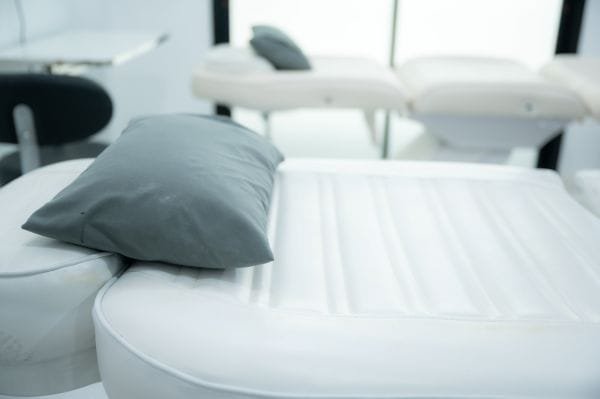
When it comes to health advice, we talk about diet, exercise, and even screen time—but when was the last time you asked a patient, “How old is your pillow?”
It may sound trivial, but science says otherwise. Old pillows can harbor allergens, bacteria, and toxins that quietly impact sleep quality, respiratory health, and even skin condition. It’s a small but significant lifestyle detail that doctors can use to encourage better sleep hygiene and preventive care.
🕒 How Long Does a Pillow Really Last?
Not all pillows are created equal. Each material has its own shelf life, and exceeding it can harm both comfort and health.
| Type of Pillow | Average Lifespan | Notes |
| Polyester | 6 months – 2 years | Affordable but flattens quickly |
| Feather | 1–3 years | Requires regular fluffing and care |
| Memory Foam | 2–3 years | Loses structure over time |
| Latex | 3–4 years | Naturally durable and hypoallergenic |
| Buckwheat | 3–5 years | Long-lasting with proper cleaning |
🧬 Hidden Health Risks of Old Pillows
- Allergen Accumulation
Over time, pillows trap dead skin cells, sweat, and dust mites. This buildup can trigger allergies, worsen asthma, or lead to nasal congestion and sneezing. - Air Quality Issues
Materials like memory foam and polyurethane release volatile organic compounds (VOCs) as they degrade, potentially affecting indoor air quality. - Skin Troubles
The same pillow that feels cozy might be worsening your acne or skin irritation due to bacteria and oil accumulation.
🩺 Why Doctors Should Talk About This
While it may seem like a minor topic, pillow hygiene directly affects sleep quality, skin health, and respiratory wellness—all areas doctors frequently address.
For doctors in India, where urban pollution and allergies are common, this simple conversation can help:
- Improve patient sleep hygiene
- Reduce allergy triggers
- Enhance awareness of preventive self-care at home
💡 Doctorpreneur Academy Perspective
At The Doctorpreneur Academy, our doctors are not just clinicians—they’re educators, influencers, and advocates for holistic well-being.
Doctors inside the Academy are:
- Creating Awareness Posts about underrated health risks like bedding hygiene, air quality, and sleep environment.
- Engaging patients digitally through social media and webinars on practical health habits.
- Leading the Preventive Care Movement, showing that true healthcare goes beyond prescriptions—it starts with education.
🛏️ When Should You Replace a Pillow?
- Replace every 1–2 years (depending on type and condition).
- Wash pillow covers weekly and pillows every 3–6 months (if washable).
- Watch for flattening, clumping, stains, or odors—clear signs of expiration.
A clean, supportive pillow ensures better sleep, fewer allergies, and overall improved wellness.
🌙 Final Takeaway
Your pillow may look harmless, but over time, it becomes a hidden hub of dust, sweat, and bacteria—quietly sabotaging your sleep and health.
For doctors, it’s one more reminder that preventive care begins at home, often with the smallest habits.
Inside The Doctorpreneur Academy, doctors are already leading such awareness drives—transforming routine advice into meaningful lifestyle change.
👉 Doctor’s Action Step:
Ask your patients, “When did you last change your pillow?”
You might just help them breathe easier, sleep better, and wake up healthier.
👉 To register for our next masterclass, please click here: https://linktr.ee/docpreneur