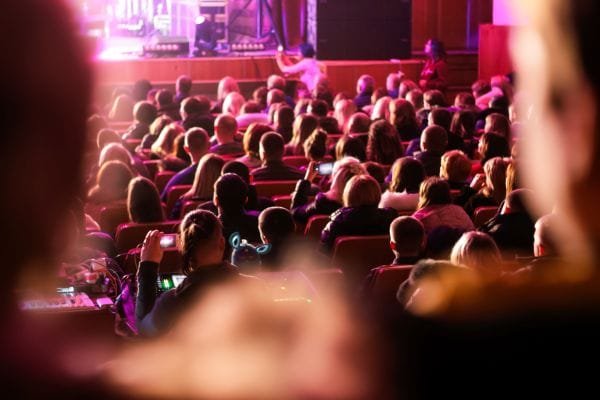
Think of sitting with a patient in a bustling hospital waiting room or trying to counsel a family during ward rounds while multiple conversations buzz around you. Many assume that difficulty in following speech in such noisy environments always points to hearing loss. But recent research says otherwise: your ability to process speech in noise may be linked more to cognitive ability (IQ) than to your ears.
A study published in PLOS One explored this connection by testing three groups: individuals with autism, fetal alcohol syndrome, and neurotypical participants. All had clinically normal hearing. Yet, those with higher intellectual ability consistently performed better at speech perception in noisy settings.
“You don’t have to have hearing loss to struggle in a restaurant or classroom. Sometimes, it’s about the brain’s ability to process and focus,” said Dr. Bonnie Lau, the study’s lead investigator.
What Does This Mean for Doctors in India?
For Indian doctors, this research opens important discussions:
- Clinical Insight—When patients complain of “not hearing well” in noise, we must think beyond the ear. It may not always be the case for a hearing aid but rather an issue with cognitive processing.
- Educational Impact—In busy hospital classrooms, resident doctors or students with lower cognitive thresholds may face greater challenges in grasping discussions. Recognizing this can help in teaching methods.
- Patient-Centered Care—Children with autism or other neurodivergent conditions in India may require classroom or hospital interventions like preferential seating or assistive listening devices—even when their hearing is normal.
With global research increasingly linking cognition and sensory health, we can expect:
- Greater emphasis on multidisciplinary hearing assessments (audiology + neuropsychology).
- There is a growing need for assistive listening technology in both classrooms and hospitals.
- A shift from purely audiology-based interventions toward holistic care models.
Learnings for Doctors in India
- Redefine “hearing issues”—Don’t dismiss complaints simply because audiology tests are normal.
- Screen cognition when needed—simple cognitive tests may help understand why patients struggle in noisy settings.
- Advocate for environmental design – Quieter consultation rooms, improved classroom acoustics, or use of portable hearing-assist devices.
At The Doctorpreneur Academy, our community of doctors is already adapting to such paradigm shifts:
- Awareness Training—Doctors learn to interpret patient complaints in light of both hearing and cognition.
- Digital Tools—Academy doctors experiment with digital listening aids, apps, and telehealth solutions that support neurodivergent patients.
- Content & Counseling Skills—Through webinars and workshops, doctors strengthen their ability to simplify communication for patients in noisy or cognitively demanding environments.
This approach not only improves patient satisfaction but also positions our doctors as leaders in next-generation healthcare practice.
Final Thoughts
The research is clear: listening in noise isn’t just about your ears—it’s also about your brain. For doctors, this means looking deeper into patient complaints, adapting clinical teaching, and embracing supportive technologies.
At The Doctorpreneur Academy, our mission is to prepare doctors for these changes. By combining medical expertise with entrepreneurial innovation, doctors inside the Academy are building smarter, patient-friendly practices for the future.
If you are a doctor facing similar challenges in your practice or teaching, join our Academy’s learning community to explore strategies that make communication effective—even in the noisiest environments.
👉 To register for our next masterclass, please click here: https://linktr.ee/docpreneur