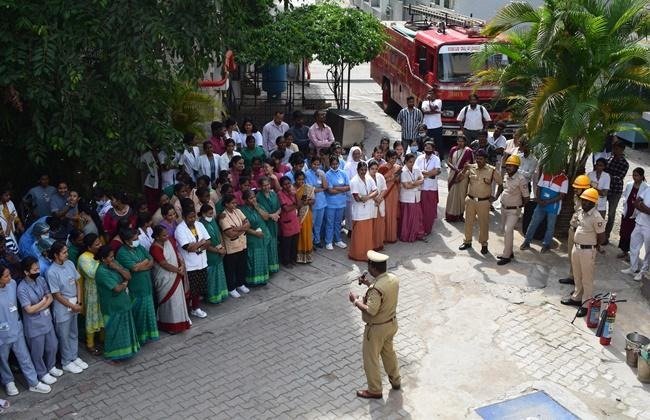
India’s healthcare system is taking a critical step toward patient safety with the introduction of stricter fire safety norms for hospitals. Triggered by recurring fire incidents and safety lapses, the government has rolled out updated national guidelines aimed at strengthening emergency preparedness across healthcare facilities.
This move reflects a growing recognition that hospitals are among the most vulnerable environments during fire emergencies, requiring specialized safety protocols and rapid response systems.
Why Stronger Fire Safety Norms Are Needed
Hospitals are fundamentally different from other buildings. They house:
- Critically ill patients
- Elderly individuals
- Newborns and ICU patients dependent on life support
Additionally, hospitals operate in oxygen-rich environments with high electrical loads, making fire risks more complex and dangerous.
Recent incidents across the country have exposed gaps in:
- Fire preparedness
- Evacuation planning
- Infrastructure safety
These challenges have made it essential to introduce a more robust and standardized safety framework.
Key Highlights of the New Guidelines
The government’s updated framework, titled National Guidelines on Fire and Life Safety in Healthcare Facilities (2026), introduces several important measures:
1. Mandatory Fire Safety Audits
Hospitals must now conduct regular fire and electrical safety audits to identify risks and ensure compliance with safety standards.
2. Comprehensive Evacuation Plans
All healthcare facilities are required to develop clear and structured evacuation protocols, especially for:
- ICU patients
- Neonatal and pediatric units
- Patients on life-support systems
3. Risk-Based Safety Approach
The guidelines focus on high-risk zones such as:
- Intensive Care Units (ICUs)
- Operation theatres
- Oxygen storage areas
- Electrical installations
This ensures targeted safety interventions where risks are highest.
4. Fire Detection and Suppression Systems
Hospitals must strengthen systems for:
- Fire alarms and detection
- Automatic suppression mechanisms
- Safe electrical infrastructure
These measures aim to prevent fires before they escalate.
Focus on Training and Preparedness
One of the most important aspects of the new policy is capacity building.
Hospitals are now required to:
- Conduct regular mock drills and evacuation exercises
- Train staff in emergency response protocols
- Implement structured training programs for healthcare personnel
This ensures that safety is not just infrastructure-based but also people-driven.
Strengthening Accountability and Governance
The updated guidelines introduce a clearer framework for responsibility:
- Hospitals must appoint designated safety officers
- Fire safety committees will oversee compliance
- Regular monitoring and reporting mechanisms will be enforced
This shift aims to create accountability at every level, reducing negligence and improving response times during emergencies.
Nationwide Fire Safety Awareness Drive
To support implementation, the government has also launched a nationwide Fire Safety Week (May 4–10, 2026).
Activities include:
- Fire safety audits across hospitals
- Mock drills and live demonstrations
- Awareness campaigns and training sessions
The initiative emphasizes that fire safety is a shared responsibility, involving both institutions and individuals.
A Step Toward Safer Healthcare Infrastructure
These reforms go beyond compliance they aim to transform how hospitals approach safety.
Key outcomes expected:
- Reduced risk of fire-related incidents
- Faster and more effective emergency response
- Improved protection for patients, staff, and visitors
By focusing on both prevention and preparedness, the government is working toward a resilient healthcare system.
Challenges in Implementation
While the guidelines are comprehensive, their success depends on execution.
Challenges include:
- Ensuring compliance across thousands of hospitals
- Upgrading infrastructure in older facilities
- Maintaining consistent training and audits
Without strict enforcement, even the best policies can fall short.
Conclusion
The government’s move to tighten fire safety norms marks a crucial advancement in patient safety and hospital preparedness. By mandating audits, strengthening evacuation systems, and focusing on staff training, the new guidelines aim to prevent tragedies and protect lives.
If implemented effectively, this initiative could redefine safety standards in Indian healthcare ensuring that hospitals are not just centers of treatment, but also secure environments for everyone inside them.