Punjab is intensifying its fight against hypertension, often referred to as the “silent killer,” through large-scale prevention, early diagnosis, and cashless treatment initiatives. As lifestyle diseases continue to rise across India, the state government is focusing on building a stronger public healthcare response to reduce complications linked to uncontrolled high blood pressure.
Rising Concern Over Hypertension in Punjab
Hypertension has become one of the fastest-growing health concerns across all age groups in Punjab. Doctors warn that the condition often develops silently and can lead to serious complications such as:
- Stroke
- Heart failure
- Kidney disease
- Cardiovascular emergencies
Health experts in the state report that cases are increasingly being detected not only among elderly populations but also in younger adults due to changing lifestyles, stress, unhealthy diets, and lack of physical activity.
Large-Scale Screening and Early Detection
To strengthen early intervention, the Punjab government has significantly expanded hypertension screening programs across the state.
According to Health Minister Dr. Balbir Singh:
- Over 1 crore people aged 30 and above have already been screened for hypertension
- Around 24 lakh individuals have been linked to treatment and follow-up care
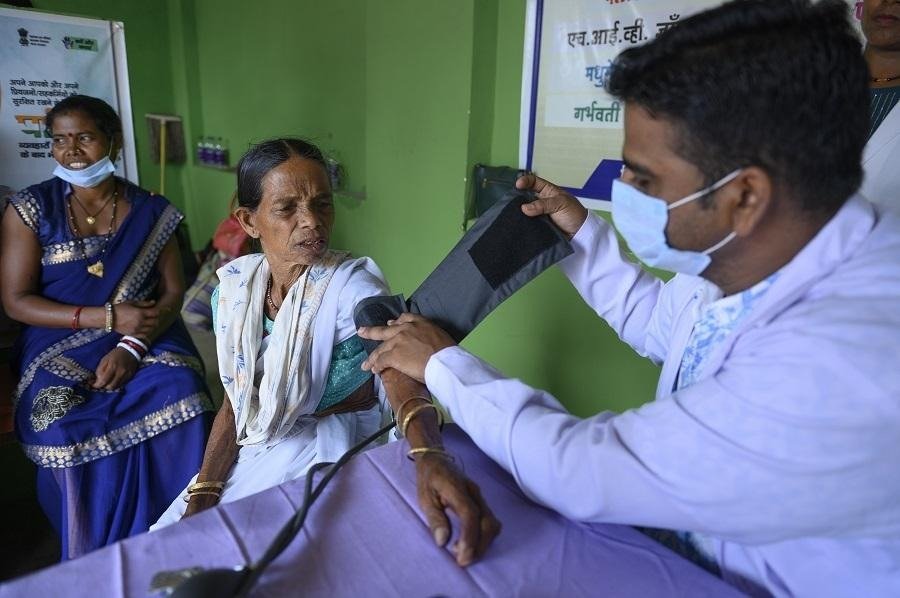
Regular blood pressure screening is now being conducted through:
- Government health facilities
- Primary healthcare centers
- Nearly 990 Aam Aadmi Clinics across Punjab
This large-scale outreach is helping identify patients before complications become severe.
Focus on Prevention Through Lifestyle Programs
Punjab is also focusing heavily on preventive healthcare and lifestyle modification.
A key initiative supporting this effort is the CM Di Yogshala program, which promotes:
- Yoga and physical activity
- Stress management
- Healthy lifestyle habits
The program currently includes:
- More than 10,600 yoga classes
- Nearly 3 lakh participants statewide
Officials believe these preventive interventions are critical in controlling hypertension and reducing long-term disease burden.
Cashless Treatment Through Mukh Mantri Sehat Yojna
To improve healthcare accessibility, Punjab is leveraging the Mukh Mantri Sehat Yojna (MMSY) to provide cashless treatment for hypertension-related complications.
The scheme helps cover treatment for conditions such as:
- Stroke
- Heart disease
- Kidney-related complications caused by uncontrolled blood pressure
By reducing financial barriers, the initiative is encouraging patients to seek treatment earlier rather than delaying care due to cost concerns.
Strengthening Rural and Urban Healthcare Access
One of the biggest achievements of the program has been the expansion of healthcare access in both urban and rural regions.
The state government has strengthened:
- Referral systems
- Monthly patient follow-ups
- Availability of free medicines
- Timely specialist referrals
This integrated approach aims to ensure continuity of care and reduce the risk of severe complications.
Changing Demographics of Hypertension
Data from the State Health Agency indicates that the burden of hypertension remains highest among people aged 40 to 80 years, though younger populations are increasingly being affected.
Several districts, including:
- Patiala
- Mohali
- Hoshiarpur
- Jalandhar
- Faridkot
have reported high concentrations of hypertension cases across both men and women.
Doctors also note growing concern over hypertension cases appearing among people in their 20s and 30s due to modern lifestyle habits.
Importance of Early Diagnosis
Medical experts emphasize that hypertension often remains undetected until severe complications occur.
Regular screening and early treatment can significantly reduce the risk of:
- Stroke
- Cardiac emergencies
- Organ damage
- Long-term hospitalization
Healthcare officials state that timely diagnosis and affordable treatment are now becoming central pillars of Punjab’s public health strategy.
A Stronger Public Health Model
Punjab’s approach reflects a broader shift in India’s healthcare system toward:
- Preventive healthcare
- Community-level screening
- Chronic disease management
- Financial protection through public health schemes
The combination of awareness, early detection, lifestyle intervention, and cashless treatment is helping create a more proactive healthcare model.
Conclusion
Punjab’s strengthened hypertension prevention and early detection programs represent a significant step toward tackling one of India’s most widespread lifestyle diseases. Through expanded screening, preventive wellness initiatives, and accessible cashless treatment, the state is working to reduce both the medical and financial burden of hypertension.
As chronic diseases continue to rise across the country, initiatives like these highlight the growing importance of preventive healthcare and early intervention in building healthier communities and improving long-term public health outcomes.