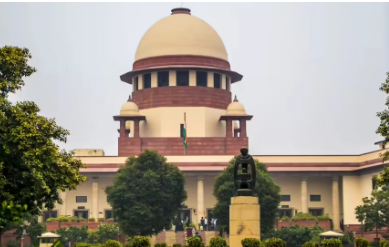
India has witnessed a landmark moment in healthcare and constitutional law. In a historic judgment, the Supreme Court of India has declared that access to timely trauma care is an integral part of the Right to Life guaranteed under Article 21 of the Constitution. The ruling recognizes that every citizen has the right to receive prompt and effective emergency medical treatment following serious injuries, particularly in road accidents and other life threatening situations.
The judgment is expected to reshape the country’s emergency healthcare infrastructure by placing a legal responsibility on governments to ensure that trauma care services are accessible, efficient, and available to all. For healthcare professionals, policymakers, and citizens alike, this decision marks a major step toward improving survival rates and reducing preventable deaths.
Why Trauma Care Matters
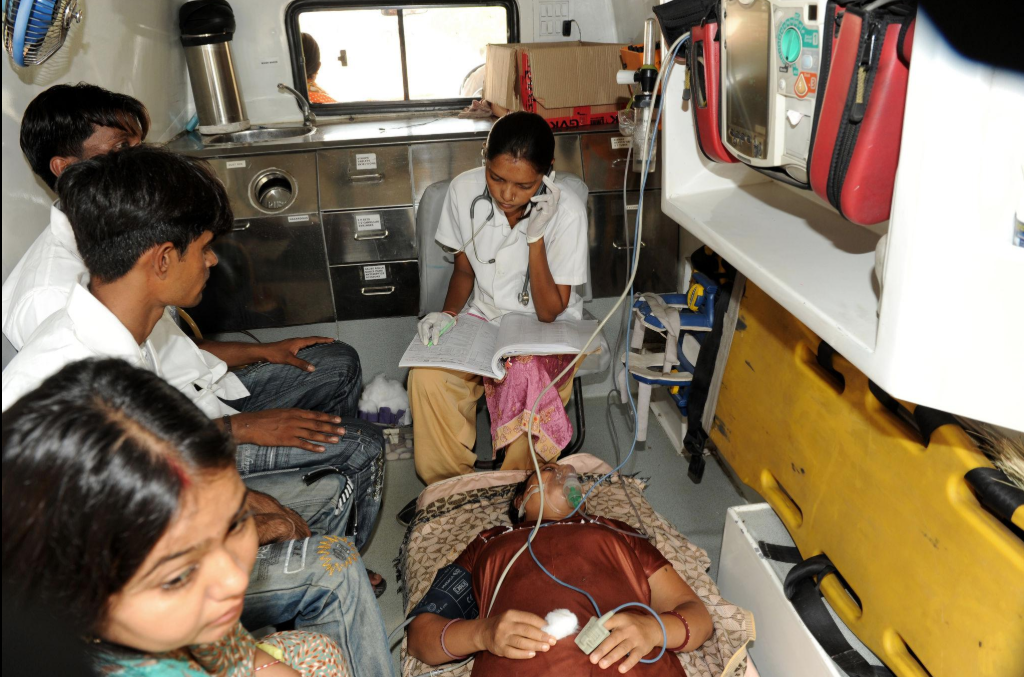
Trauma is one of the leading causes of death and disability worldwide, particularly among young adults. In India, road traffic accidents claim thousands of lives every year, with many deaths occurring not because injuries are untreatable, but because victims do not receive medical attention quickly enough.
Medical experts often refer to the first sixty minutes after a severe injury as the “golden hour.” During this critical period, rapid assessment, stabilization, and treatment can dramatically improve a patient’s chances of survival and recovery.
Unfortunately, many accident victims face delays due to inadequate ambulance services, lack of nearby trauma centers, traffic congestion, or confusion about emergency response systems. The Supreme Court observed that such delays can directly impact a person’s right to life and dignity.
The Supreme Court’s Landmark Observation
The Court emphasized that the right to life extends beyond mere survival. It includes access to essential healthcare services that can preserve life during emergencies.
By recognizing trauma care as a constitutional right, the Court has elevated emergency medical treatment from a public welfare measure to a legal entitlement. This means governments are expected to take proactive steps to create systems capable of delivering timely trauma care whenever and wherever it is needed.
The judgment reflects the growing understanding that healthcare access is a fundamental component of human rights and social justice.
Key Directions Issued by the Court
To strengthen emergency response systems across the country, the Supreme Court issued several important directives.
Integration of Emergency Helplines
One of the major directives is the integration of various emergency helpline numbers into a single national emergency number, 112.
A unified emergency number can significantly reduce confusion during crises. Whether the emergency involves a road accident, medical crisis, fire, or law enforcement issue, citizens will have a single point of contact for immediate assistance.
This step is expected to improve coordination among emergency response agencies and reduce delays in dispatching help.
Strengthening Trauma Care Infrastructure
The Court has directed authorities to establish a more organized and standardized trauma care system across India.
This includes:
- Expansion of trauma centers
- Improved ambulance networks
- Better referral systems
- Standardized emergency care protocols
- Faster patient transportation
- Enhanced communication between hospitals and emergency services
The objective is to ensure that patients receive seamless care from the accident site to definitive treatment facilities.
Accountability and Monitoring
The judgment also emphasizes the need for continuous monitoring and implementation of emergency care standards.
Authorities have been encouraged to develop mechanisms that can track response times, assess system performance, and identify areas requiring improvement.
Such accountability measures are crucial for ensuring that constitutional guarantees translate into real world benefits for patients.
Encouraging Good Samaritans
A significant aspect of the ruling relates to the protection of Good Samaritans.
Many bystanders hesitate to assist accident victims because they fear legal complications, police questioning, or administrative difficulties. This reluctance often leads to critical delays in obtaining medical care.
The Supreme Court has directed authorities to establish effective grievance redressal mechanisms to protect individuals who voluntarily help accident victims.
By strengthening Good Samaritan protections, the Court hopes to encourage more citizens to provide immediate assistance during emergencies, potentially saving countless lives.
Impact on India’s Healthcare System
The judgment has far reaching implications for healthcare providers and institutions.
For Hospitals
Hospitals may need to strengthen emergency departments, enhance trauma management capabilities, and improve coordination with ambulance services.
Healthcare facilities located along major highways and accident prone regions may play an especially important role in the evolving trauma care network.
For Emergency Medical Services
Ambulance services are likely to become a central focus of future reforms. Faster dispatch systems, better equipped ambulances, trained paramedics, and improved communication technologies will be essential components of an effective emergency response framework.
For Medical Professionals
Emergency physicians, trauma surgeons, orthopedic specialists, anesthesiologists, critical care experts, and nursing teams will all contribute to building a stronger trauma care ecosystem.
The ruling may also drive increased investment in trauma care training and emergency medicine education.
A Public Health Milestone

Public health experts have long argued that many trauma related deaths in India are preventable. Delayed transportation, fragmented emergency systems, and limited access to specialized care have historically contributed to poor outcomes.
By formally recognizing trauma care as a constitutional right, the Supreme Court has acknowledged that access to emergency treatment should not depend on location, socioeconomic status, or chance.
The decision aligns healthcare delivery with the broader constitutional commitment to protecting human life and dignity.
Challenges Ahead
While the judgment represents a significant achievement, implementation will require substantial effort.
Key challenges include:
- Expanding trauma care facilities in rural areas
- Addressing shortages of trained emergency personnel
- Improving ambulance availability
- Enhancing road infrastructure and emergency access
- Ensuring coordination among states and healthcare institutions
- Maintaining consistent quality standards nationwide
Successfully addressing these challenges will require collaboration between governments, healthcare organizations, emergency responders, and civil society.