
In a significant advancement for neuroscience, researchers have successfully reversed memory loss in animal models by restoring the function of mitochondria, often referred to as the cell’s “tiny engines.” The findings provide new insights into how cognitive decline develops and open the door to potential future treatments for conditions such as Alzheimer’s disease and other neurodegenerative disorders.
The study suggests that memory problems may not simply result from dying brain cells. Instead, a decline in the energy production within neurons could be one of the earliest drivers of cognitive impairment.
Understanding the Brain’s Tiny Engines
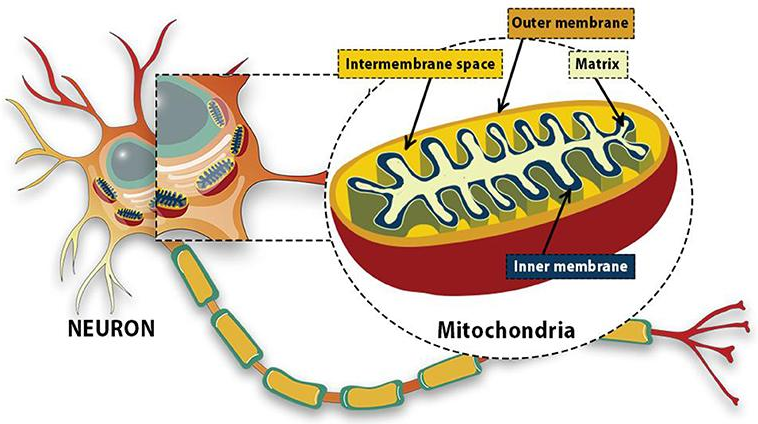
Mitochondria are microscopic structures found inside nearly every cell of the body. Their primary role is to generate energy that cells need to function properly.
The brain is one of the most energy-demanding organs in the human body. Neurons require a constant supply of energy to communicate, process information, and form memories. When mitochondrial function declines, these vital processes can become disrupted, potentially leading to memory loss and cognitive dysfunction.
What Did Scientists Discover?
Researchers established a direct connection between mitochondrial dysfunction and memory impairment in neurodegenerative diseases.
To test their theory, they developed a highly specialized tool called mitoDreadd-Gs, designed to temporarily increase mitochondrial activity inside brain cells. When activated in mouse models of dementia, mitochondrial function improved significantly, and memory performance returned to near-normal levels.
The results suggest that impaired energy production is not merely a consequence of neurodegeneration but may actively contribute to the development of memory loss.
How the Experimental Tool Works
The innovative mitoDreadd-Gs system works by stimulating specific signaling pathways within mitochondria.
By boosting the energy-generating capacity of neurons, researchers were able to restore normal cellular function. This increase in available energy helped brain cells communicate more effectively, resulting in measurable improvements in memory and cognitive performance.
The findings demonstrate that enhancing mitochondrial activity can directly influence brain function, offering a completely new therapeutic strategy for cognitive disorders.
Why This Discovery Matters
Current treatments for Alzheimer’s disease and related dementias primarily focus on reducing abnormal protein accumulations in the brain, such as amyloid plaques and tau tangles.
This new research introduces a different perspective. Instead of targeting protein deposits, scientists are investigating whether restoring cellular energy production could help preserve brain function and slow disease progression.
If validated in future studies, this approach could complement existing therapies and potentially improve outcomes for patients with neurodegenerative diseases.
Potential Applications Beyond Alzheimer’s Disease
The implications of this research may extend beyond Alzheimer’s disease.
Because mitochondrial dysfunction has been linked to several neurological conditions, future therapies targeting cellular energy systems could potentially benefit patients with:
- Alzheimer’s disease
- Frontotemporal dementia
- Parkinson’s disease
- Age-related cognitive decline
- Other neurodegenerative disorders
Scientists believe that improving mitochondrial health may become an important component of future brain disease management strategies.
Challenges Before Human Treatment

Despite the exciting findings, experts caution that the research remains in the early stages.
The successful results have so far been demonstrated only in animal models. Before similar treatments can be used in humans, researchers must determine:
- Long-term safety
- Treatment durability
- Appropriate dosing methods
- Clinical effectiveness in patients
- Potential side effects
Human clinical trials will be essential before this approach can become part of routine medical practice.
A New Direction in Brain Health Research
For decades, scientists have focused on structural changes in the brain as the primary cause of dementia. This study highlights the importance of cellular metabolism and energy production as potential contributors to cognitive decline.
The discovery shifts attention toward maintaining the health of living neurons rather than solely addressing damage that has already occurred. By preserving cellular energy systems, researchers hope to intervene earlier in the disease process.