In a significant move aimed at improving patient safety and reducing healthcare associated infections, the National Medical Commission (NMC) has issued an advisory to all medical colleges regarding the mandatory implementation of safe injection practices.
The directive highlights the critical importance of adhering to standardized injection protocols across teaching hospitals and medical institutions. By reinforcing these practices, the NMC seeks to protect patients, healthcare workers, and medical students from preventable infections and needle related injuries.
The advisory underscores that injection safety is a fundamental component of quality healthcare delivery and must be integrated into everyday clinical practice.
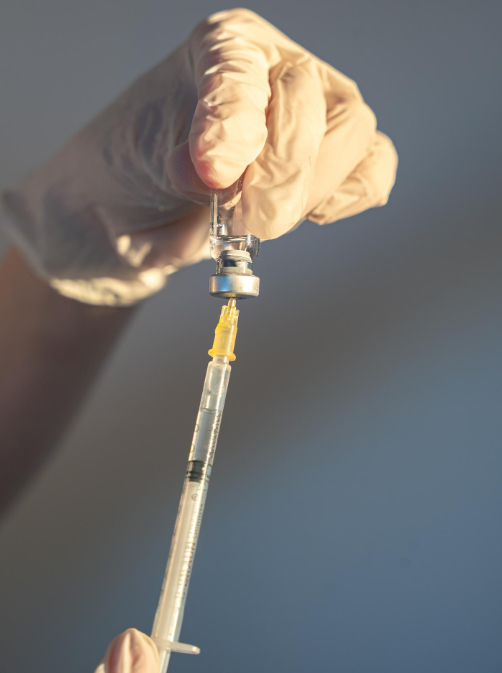
Why Safe Injection Practices Matter
Injections are among the most frequently performed medical procedures worldwide. While generally safe when administered correctly, unsafe injection practices can lead to serious consequences.
These risks include:
- Transmission of blood borne infections
- Needle stick injuries
- Healthcare associated infections
- Cross contamination between patients
- Increased healthcare costs
- Reduced patient trust in healthcare systems
Even minor lapses in injection safety can expose both patients and healthcare workers to significant health risks.
The NMC’s advisory recognizes that maintaining high standards of injection safety is essential for ensuring quality care and protecting public health.
Key Focus Areas of the Advisory
The advisory calls upon medical colleges and associated hospitals to ensure strict compliance with established injection safety guidelines.
Institutions have been directed to strengthen measures related to:
- Safe handling of injections
- Appropriate disposal of sharps
- Prevention of needle stick injuries
- Infection prevention and control practices
- Training and sensitization of healthcare personnel
- Continuous monitoring of compliance
The emphasis is on creating a culture of safety that extends throughout healthcare facilities.

Strengthening Infection Prevention and Control
Injection safety is closely linked to broader infection prevention and control programs.
Healthcare institutions are expected to ensure that all personnel involved in patient care follow standard precautions consistently. This includes maintaining aseptic techniques, using sterile equipment, and adhering to proper waste management practices.
Effective infection control not only protects patients but also reduces the burden of healthcare associated infections on hospitals and healthcare systems.
The Role of Medical Colleges
Medical colleges play a unique role in shaping future healthcare professionals.
The NMC advisory stresses the importance of incorporating safe injection practices into medical education and clinical training programs.
Students should be trained to:
- Follow standard injection protocols
- Understand infection control principles
- Handle sharps safely
- Recognize occupational hazards
- Practice evidence based patient safety measures
Early exposure to these standards helps build lifelong professional habits that contribute to safer healthcare delivery.
Protecting Healthcare Workers
Healthcare workers face occupational risks every day, particularly when handling needles and other sharp instruments.
Needle stick injuries remain a major concern because they can potentially expose healthcare personnel to infectious diseases.
The advisory encourages institutions to strengthen workplace safety measures by promoting:
- Safe sharps disposal systems
- Use of safety engineered devices where appropriate
- Reporting mechanisms for injuries
- Continuous staff education and awareness
Creating a safer working environment benefits both healthcare providers and patients.
Building a Culture of Safety
Implementing safe injection practices requires more than simply issuing guidelines. It involves fostering a culture where patient safety becomes a shared responsibility.
Hospitals and medical colleges are encouraged to:
- Conduct regular training sessions
- Perform safety audits
- Monitor adherence to protocols
- Encourage incident reporting
- Promote continuous quality improvement
Such measures can help ensure that safety standards are consistently maintained across all departments.

A Step Toward Better Healthcare Quality
Patient safety has become a central pillar of modern healthcare systems worldwide. Safe injection practices represent one of the simplest yet most effective interventions for preventing avoidable harm.
The NMC’s directive aligns with global efforts to improve healthcare quality, reduce infection risks, and strengthen patient safety standards across healthcare institutions.
By standardizing these practices, medical colleges can contribute significantly to safer healthcare environments and improved clinical outcomes.
Challenges in Implementation
While the advisory provides a clear framework, successful implementation may require ongoing efforts in several areas:
- Regular staff training
- Resource availability
- Compliance monitoring
- Infrastructure support
- Institutional commitment
- Continuous quality assessment
Addressing these challenges will be essential for ensuring that safe injection practices become an integral part of routine clinical care.