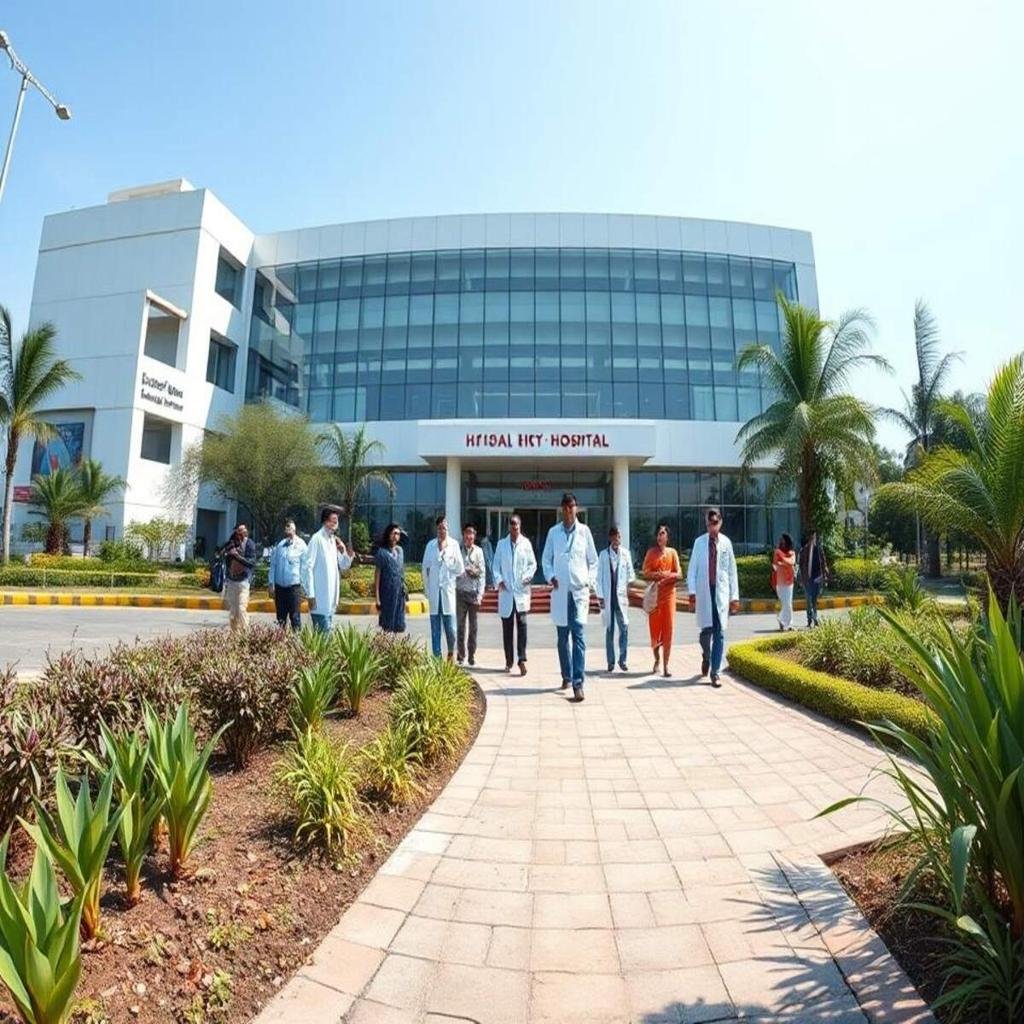
India’s hospital sector is entering a significant expansion phase, with healthcare providers investing aggressively in new facilities, additional bed capacity, and advanced medical infrastructure. According to a recent report by Kotak Securities, while these expansion efforts may keep profit margins relatively stable in the near term, the industry’s revenue growth trajectory is expected to remain strong, with around 18% growth likely to continue.
The report highlights how increasing healthcare demand, expanding insurance coverage, rising patient volumes, and greater investment in healthcare infrastructure are creating favorable conditions for sustained industry growth.
Expansion Becomes the Industry’s Primary Focus
Hospital operators across India are actively pursuing expansion strategies to meet the growing demand for quality healthcare services.
Leading healthcare providers are investing in:
- New hospitals and healthcare campuses
- Additional bed capacity
- Specialty and super-specialty centers
- Critical care units
- Advanced diagnostic facilities
- Technology-enabled healthcare services
These investments are aimed at improving accessibility while strengthening the long-term growth potential of healthcare organizations.
As patient demand continues to increase, hospitals are preparing to serve larger populations across both metropolitan and emerging markets.
Strong Revenue Growth Expected to Continue
Despite ongoing investments, the report indicates that the hospital industry remains on a strong growth path.
Several factors are contributing to this momentum:
- Rising healthcare awareness
- Increasing hospitalization rates
- Higher demand for specialty treatments
- Growth in health insurance penetration
- Improved healthcare affordability
- Expanding patient volumes
The combination of these factors is expected to help hospitals maintain robust revenue growth even as they undertake large-scale infrastructure projects.
The projected growth reflects the sector’s resilience and the increasing importance of organized healthcare services across India.
Why Margins May Remain Rangebound
While revenue growth remains encouraging, expansion comes with substantial costs.
New facilities require significant investments in:
- Land acquisition
- Construction
- Medical equipment
- Technology infrastructure
- Recruitment and training
- Operational setup
As hospitals add new capacity, occupancy levels often take time to mature. During this period, operational expenses can rise faster than profits, putting temporary pressure on margins.
As a result, profitability may remain relatively stable rather than showing sharp improvement during the current expansion cycle.
Demand for Quality Healthcare Continues to Rise
India’s healthcare needs are evolving rapidly.
Several long-term trends are supporting hospital growth:
- Increasing burden of chronic diseases
- Aging population
- Urbanization
- Greater health consciousness
- Rising income levels
- Improved access to medical insurance
Patients are increasingly seeking specialized and high-quality healthcare services, encouraging hospitals to expand their clinical capabilities and infrastructure.
This demand is expected to remain a major growth driver over the coming years.
Specialty Care Driving Hospital Performance
Specialty and super-specialty services continue to play a crucial role in hospital revenue generation.
High-growth specialties include:
- Cardiology
- Oncology
- Neurology
- Orthopedics
- Gastroenterology
- Critical care
These advanced services often attract higher patient volumes and support stronger revenue generation, making them important areas of focus for expanding hospital networks.
Healthcare providers are increasingly investing in specialized treatment centers to meet this growing demand.
Technology and Digital Healthcare Support Growth
Technology is becoming an essential component of hospital expansion strategies.
Healthcare organizations are investing in:
- Artificial intelligence applications
- Electronic health records
- Telemedicine platforms
- Advanced diagnostics
- Predictive analytics
- Patient engagement solutions
These innovations help improve efficiency, optimize resource utilization, and enhance patient experiences.
Digital transformation is expected to play a key role in supporting sustainable growth across the healthcare sector.
Opportunities Across Emerging Markets
Much of the upcoming expansion is expected to occur beyond major metropolitan cities.
Tier 2 and Tier 3 cities are witnessing increasing demand for organized healthcare services due to:
- Rising healthcare awareness
- Improving economic conditions
- Growing insurance adoption
- Better healthcare accessibility
Hospital operators see these regions as important growth opportunities, with significant unmet demand for advanced medical care.
Expanding into these markets can help improve healthcare access while supporting long-term industry growth.
Challenges That Remain
Although the outlook is positive, hospitals continue to face several operational challenges.
These include:
- Workforce shortages
- Rising healthcare costs
- Talent acquisition requirements
- Infrastructure investment pressures
- Regulatory compliance
- Technology implementation costs
Successfully managing these challenges will be critical for maintaining both growth and operational efficiency.
Building the Future of Healthcare
The current expansion cycle reflects growing confidence in India’s healthcare sector. Healthcare providers are positioning themselves to meet future demand by investing in infrastructure, technology, and specialized clinical services.
While margin expansion may remain limited during this investment phase, the long-term benefits of increased capacity and improved healthcare access are expected to support sustained industry growth.
The sector’s focus is increasingly shifting from short-term profitability toward building scalable, future-ready healthcare ecosystems.