As the monsoon season increases the risk of mosquito-borne diseases, Kerala has launched a large-scale dengue prevention campaign aimed at reducing infections and strengthening public health preparedness. The initiative brings together government departments, healthcare institutions, local bodies, schools, and community organizations to tackle the spread of dengue before cases surge.
With dengue continuing to pose a significant public health challenge across many parts of India, the campaign reflects Kerala’s emphasis on prevention, early intervention, and community participation.
Why Dengue Remains a Serious Concern
Dengue is a viral disease transmitted primarily through the bite of infected Aedes mosquitoes. The disease often spreads rapidly during and after the rainy season when stagnant water creates ideal breeding conditions for mosquitoes.
Symptoms can range from mild fever and body aches to severe complications requiring hospitalization. As urbanization and climate-related factors continue to influence mosquito populations, health authorities are increasingly focusing on preventive measures rather than relying solely on treatment.
Recognizing these risks, Kerala has initiated an aggressive awareness and control strategy ahead of the peak transmission period.
Statewide Prevention Drive Gains Momentum
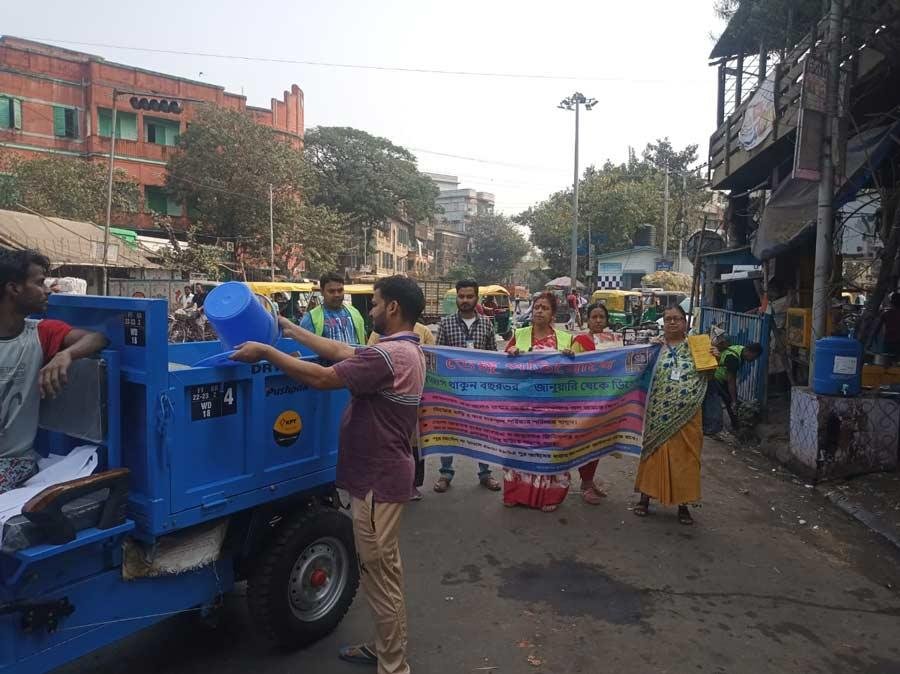
The campaign focuses on eliminating mosquito breeding sources through coordinated action at the community level.
Government agencies have intensified inspections of residential areas, public spaces, construction sites, educational institutions, and workplaces where stagnant water may accumulate. Local self-government bodies are working closely with health departments to ensure regular monitoring and implementation of preventive measures.
The initiative encourages citizens to actively participate in keeping their surroundings clean and free from potential mosquito breeding habitats.
Community Participation at the Core
A key feature of the campaign is the strong emphasis on public involvement.
Health officials have repeatedly stressed that dengue prevention cannot be achieved through government action alone. Community engagement plays a crucial role in identifying and eliminating mosquito breeding sites before they become a source of infection.
Residents are being encouraged to inspect their homes and neighborhoods regularly, remove stagnant water, maintain cleanliness, and follow public health advisories issued by local authorities.
Strengthening Public Awareness
Awareness campaigns form an important pillar of the state’s prevention strategy.
Through schools, healthcare facilities, community programs, and media outreach, authorities are educating citizens about:
- Dengue symptoms
- Mosquito breeding prevention
- Early medical consultation
- Household sanitation practices
- Personal protection measures
Improving public awareness can help ensure that infections are identified early and that preventive practices become part of everyday routines.
Healthcare System on Alert
Alongside prevention activities, Kerala’s healthcare system has been directed to maintain a high level of preparedness.
Hospitals and healthcare facilities are strengthening surveillance efforts, monitoring disease trends, and ensuring the availability of necessary medical resources. Early detection and prompt treatment remain critical for reducing complications associated with dengue infection.
Healthcare workers are also playing an important role in community education and disease monitoring efforts across the state.
Environmental Management Takes Priority
Experts emphasize that mosquito control remains one of the most effective ways to reduce dengue transmission.
The campaign includes measures aimed at improving environmental sanitation and reducing mosquito breeding opportunities. Authorities are focusing on water storage containers, discarded tires, construction sites, drainage systems, and other locations where stagnant water may collect.
Regular source reduction activities can significantly lower mosquito populations and help prevent outbreaks before they occur.
Interdepartmental Coordination Strengthens Response
The success of the campaign relies on collaboration among multiple government departments.
Health authorities, local self-government institutions, educational organizations, sanitation departments, and community groups are working together to implement prevention activities across the state. Such coordinated efforts help ensure broader coverage and more effective execution of public health interventions.
This integrated approach reflects Kerala’s long-standing focus on community-based healthcare and disease prevention.
Building Long-Term Public Health Resilience
Beyond addressing immediate dengue risks, the campaign contributes to strengthening long-term public health resilience.
Regular awareness initiatives, environmental management, surveillance systems, and community participation help create a stronger foundation for responding to future outbreaks of mosquito-borne diseases. These efforts support a preventive healthcare model that prioritizes early action and public engagement.
As climate and environmental conditions continue to evolve, such preventive strategies are expected to become increasingly important.