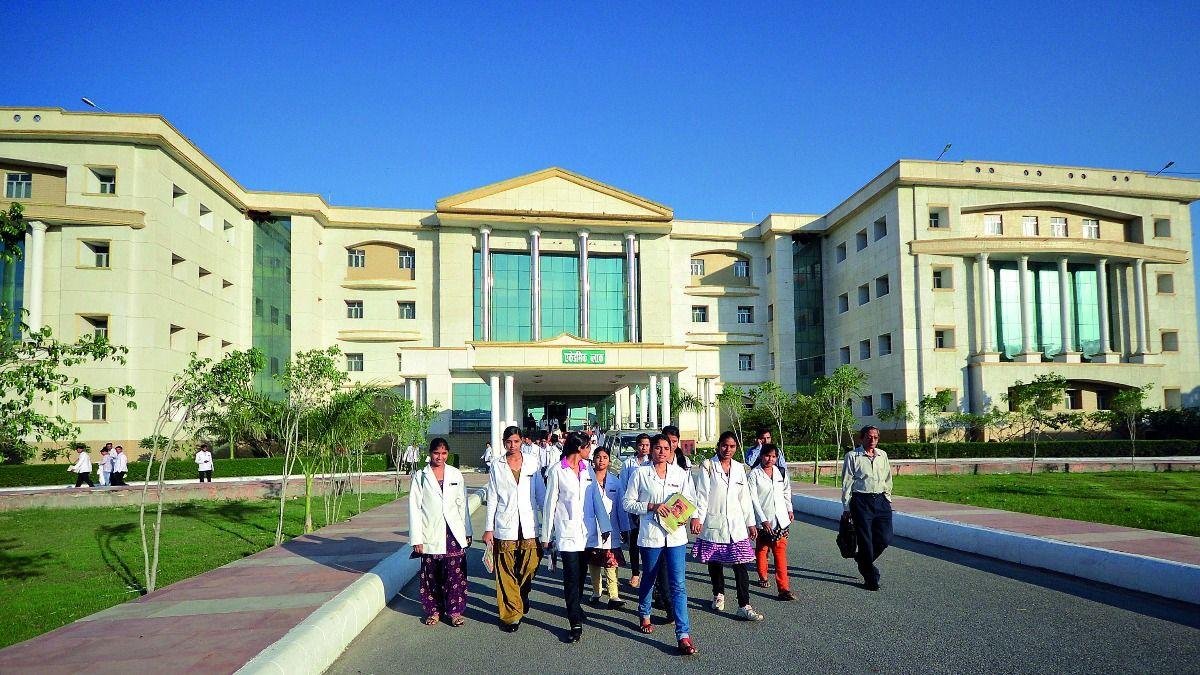
India is witnessing one of the largest expansions of healthcare infrastructure and medical education in its history. The government has significantly increased the number of AIIMS institutions and medical colleges over the past decade to address regional healthcare disparities, improve access to specialized care, and strengthen the country’s healthcare workforce.
The initiative aligns with the broader vision of making quality healthcare and medical education accessible to people across both urban and rural regions.
Rapid Growth of the AIIMS Network
The All India Institute of Medical Sciences (AIIMS) network has expanded substantially under the Pradhan Mantri Swasthya Suraksha Yojana (PMSSY).
From a handful of premier institutions concentrated in select regions, the country now has multiple operational AIIMS campuses, while several others are under development. The government has approved 22 new AIIMS institutions, many of which are already operational or nearing completion.
This expansion aims to provide advanced tertiary healthcare services while simultaneously creating opportunities for high quality medical education and research.
Why New AIIMS Institutes Matter
AIIMS institutions are regarded as centers of excellence in healthcare, medical education, and research.
The establishment of new AIIMS campuses helps bring specialized healthcare services closer to underserved populations. Patients who previously needed to travel long distances for advanced treatment can increasingly access quality care within their own regions.
In addition to patient care, these institutes play a vital role in producing highly trained doctors, nurses, and healthcare professionals who contribute to strengthening the national healthcare system.
Expansion of Medical Colleges Across the Country
Alongside the growth of AIIMS institutions, the government has approved a large number of new medical colleges to address the growing demand for healthcare professionals.
Over the past several years, hundreds of new medical colleges have been established or approved, significantly increasing undergraduate and postgraduate medical training capacity. The expansion is helping create additional MBBS seats and improve opportunities for aspiring medical students across the country.
The increase in training capacity is expected to play a crucial role in addressing doctor shortages and improving healthcare accessibility.
Addressing India’s Doctor Workforce Needs
India’s growing population and evolving healthcare requirements have created a strong need for more healthcare professionals.
The expansion of medical colleges is designed to increase the number of trained physicians entering the workforce each year. Greater availability of medical education opportunities can help improve doctor-patient ratios and strengthen healthcare delivery, particularly in underserved and rural regions.
A larger healthcare workforce is essential for meeting future healthcare demands and supporting the country’s public health goals.
Focus on Regional Healthcare Equity
One of the key objectives of establishing new AIIMS and medical colleges is reducing regional imbalances in healthcare access.
Historically, advanced medical facilities were concentrated in a limited number of metropolitan cities. The newer institutions are being strategically developed in regions that previously lacked access to specialized healthcare and medical education infrastructure.
This approach aims to ensure that quality healthcare services become more evenly distributed across the country.
Boosting Medical Research and Innovation
Beyond education and clinical services, new AIIMS institutions are expected to strengthen India’s medical research ecosystem.
These institutes provide platforms for advanced research, innovation, clinical trials, and development of evidence based healthcare solutions. Increased research capacity can contribute to improved disease management, healthcare technologies, and public health outcomes.
As India’s healthcare challenges continue to evolve, strong research institutions will play an increasingly important role in shaping future healthcare strategies.
Economic and Social Benefits
The development of AIIMS campuses and medical colleges also creates significant economic opportunities.
New institutions generate employment for doctors, nurses, researchers, administrative staff, and support personnel. They also stimulate local economic growth through infrastructure development and increased demand for housing, services, and related industries.
In many regions, the arrival of a major medical institution serves as a catalyst for broader social and economic development.
Strengthening the Future of Healthcare
The continued expansion of healthcare infrastructure reflects India’s long term commitment to improving healthcare outcomes and building a resilient healthcare system.
By increasing the number of medical colleges, expanding MBBS training capacity, and developing new AIIMS institutions, the country is laying the foundation for a stronger healthcare workforce and improved patient access to quality care.
These investments are expected to deliver benefits for decades by improving healthcare delivery, education, and research capabilities nationwide.