India has achieved a significant milestone in its organ donation journey, with more than five lakh citizens formally pledging to donate their organs and tissues. The achievement reflects growing public awareness, increased participation, and a stronger commitment toward saving lives through organ and tissue donation.
The milestone is being viewed as a major step forward in strengthening India’s organ transplantation ecosystem and addressing the persistent gap between organ demand and availability. Thousands of patients across the country continue to wait for life-saving transplants, making every organ donation pledge a potential source of hope for those in need.
Growing Awareness Driving Change
Healthcare experts believe the achievement highlights a positive shift in public perception regarding organ donation. Increasing awareness campaigns, educational initiatives, and community outreach programs have helped people better understand the life-saving impact of organ and tissue donation.
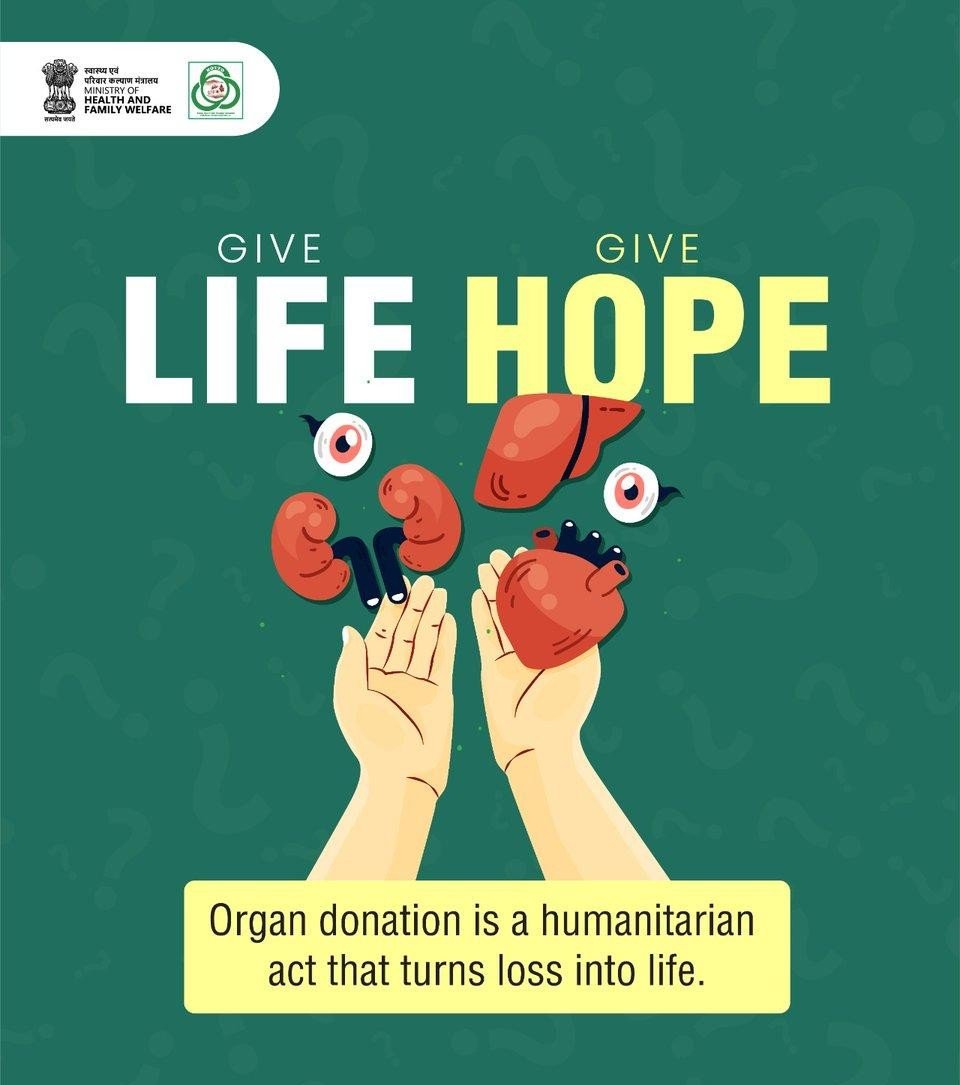
The Ministry of Health and Family Welfare noted that the growing number of pledges reflects increasing recognition of organ donation as a humanitarian act capable of offering a second chance at life to patients awaiting transplantation.
Government Initiatives Supporting the Movement
The Government of India has undertaken several initiatives to encourage voluntary organ donation and improve accessibility to the registration process.
One of the key developments has been the Aadhaar based online pledge platform developed by the National Organ and Tissue Transplant Organization (NOTTO). The digital system allows citizens to register their organ donation pledges securely and conveniently, helping increase participation across the country.
National awareness campaigns and repeated public appeals from policymakers have also contributed to greater public engagement with the cause.
The Critical Need for Organ Donors
Despite the encouraging milestone, the demand for organs continues to far exceed supply.
Thousands of patients suffering from end stage kidney disease, liver failure, heart disease, and other serious medical conditions rely on organ transplantation as their only chance for survival. However, the shortage of available organs remains one of the biggest challenges facing healthcare systems worldwide.
Healthcare experts consistently emphasize that a single organ donor can save multiple lives and improve the quality of life for several others through tissue donation.
Progress in India’s Transplant Ecosystem
India has made notable progress in organ transplantation over the past decade.
According to government data, the country performed a record 18,900 organ transplants in 2024, a substantial increase compared to fewer than 5,000 transplants recorded in 2013. This growth reflects improvements in transplantation infrastructure, medical expertise, awareness initiatives, and donor registration systems.
India currently ranks among the leading countries globally in terms of total organ transplant procedures, demonstrating the growing capabilities of its healthcare system.
The Role of Families in Organ Donation
While individual pledges are important, successful organ donation often depends on family consent and support during difficult circumstances.
Healthcare professionals emphasize the importance of discussing organ donation decisions with family members in advance. Open conversations can help ensure that an individual’s wishes are respected and can make decision making easier during emotionally challenging situations.
Many successful donations occur because families choose to transform personal tragedy into an opportunity to save other lives.
Technology Making Participation Easier
Digital platforms have played a significant role in expanding organ donation participation.
The Aadhaar enabled registration process has simplified the pledge system, making it easier for citizens from different parts of the country to register their commitment. Increased accessibility, transparency, and convenience have helped build public trust in the organ donation ecosystem.
Technology is also supporting better coordination between hospitals, transplant centers, and regulatory authorities, helping improve organ allocation and transplantation processes.
Challenges That Still Remain
Although the five lakh pledge milestone is encouraging, several challenges continue to limit organ donation rates.
Awareness gaps, misconceptions, cultural barriers, and limited understanding of brain death remain obstacles in many communities. Healthcare experts believe sustained public education and community engagement will be necessary to further increase donor participation and bridge the gap between organ demand and availability.
Strengthening transplant infrastructure and improving coordination among healthcare institutions will also remain important priorities in the years ahead.
Looking Ahead
Crossing the five lakh pledge mark represents more than a numerical achievement. It reflects a growing culture of compassion, social responsibility, and collective action toward saving lives.
As awareness continues to increase and healthcare systems become more efficient, experts hope that more citizens will come forward to support organ donation. Continued collaboration between government agencies, healthcare institutions, non governmental organizations, and community leaders will be essential for sustaining this momentum.
India’s achievement of more than five lakh organ donation pledges marks a major milestone in the country’s healthcare journey. The growing willingness of citizens to participate in organ and tissue donation demonstrates increasing awareness about the transformative impact of transplantation and the power of giving others a second chance at life
While challenges remain, the milestone signals meaningful progress toward building a stronger and more responsive organ donation ecosystem. With continued public participation, awareness efforts, and healthcare advancements, India is steadily moving closer to reducing the organ shortage and saving more lives through transplantation.