A Growing Public Health Challenge
India is facing a significant rise in dementia cases, with recent estimates suggesting that the number of people living with the condition could nearly double from 8.8 million today to approximately 16.9 million by 2036. Experts attribute this increase largely to the country’s rapidly ageing population, longer life expectancy, and the growing prevalence of lifestyle-related diseases.
The findings have brought renewed attention to the urgent need for improved awareness, early diagnosis, caregiver support, and stronger healthcare systems to address one of the country’s fastest-growing neurological health challenges.
Understanding Dementia
Dementia is not a single disease but a group of conditions that affect memory, thinking, reasoning, and the ability to perform everyday activities. Alzheimer’s disease is the most common form of dementia, accounting for the majority of cases worldwide.
As the condition progresses, individuals may experience memory loss, confusion, difficulty communicating, personality changes, and reduced independence. Although dementia is more common in older adults, it is not considered a normal part of ageing.
Why Cases Are Increasing
India’s demographic transition is one of the primary reasons behind the projected rise in dementia cases.
By 2050, nearly one in five Indians is expected to be over the age of 60. Since age is the strongest risk factor for dementia, a growing elderly population naturally increases the number of people affected by cognitive disorders.
Experts also point to several contributing factors, including:
- Diabetes
- Hypertension
- Obesity
- Physical inactivity
- Hearing impairment
- Depression
- Social isolation
- Poor sleep and unhealthy lifestyles
Many of these risk factors are preventable or manageable through timely healthcare interventions.
The Hidden Burden on Families
Dementia affects not only patients but also their families and caregivers.
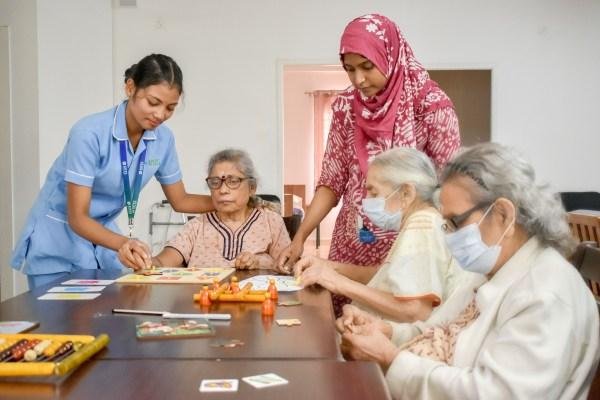
As memory loss and cognitive decline progress, individuals often require increasing levels of assistance with daily activities, medication management, communication, and personal care. This places significant emotional, physical, and financial pressure on caregivers.
Healthcare experts emphasize that caregiver education and psychological support are essential components of dementia care and should be integrated into future healthcare planning.
Early Diagnosis Can Make a Difference
Although there is currently no cure for most forms of dementia, early diagnosis plays a crucial role in improving quality of life.
Identifying symptoms in the early stages allows patients and families to begin appropriate treatment, manage risk factors, access rehabilitation services, and plan long-term care. Early intervention can also help slow disease progression and support greater independence for a longer period.
Healthcare professionals encourage individuals experiencing persistent memory problems or cognitive changes to seek medical evaluation without delay.
Gaps in Dementia Care
Despite the growing number of cases, dementia care infrastructure in India remains limited.
Many patients are diagnosed late due to low public awareness, social stigma, and limited access to specialized neurological and geriatric services, particularly in rural areas. Dedicated memory clinics, trained caregivers, and long-term care facilities are still insufficient to meet the country’s future needs.
Experts believe expanding primary healthcare screening, improving specialist services, and strengthening community-based support systems will be essential in addressing the rising burden.
Prevention Through Healthy Ageing
While ageing cannot be prevented, several modifiable lifestyle factors can reduce the risk of dementia.
Research suggests that maintaining cardiovascular health, staying physically active, eating a balanced diet, managing diabetes and blood pressure, engaging in mentally stimulating activities, maintaining social connections, and treating hearing loss may help lower dementia risk.
Promoting healthy ageing throughout adulthood could significantly reduce future dementia cases and improve overall brain health.
Strengthening India’s Response
Healthcare experts are calling for dementia to become a greater public health priority.
Key recommendations include expanding awareness campaigns, training healthcare professionals, increasing access to memory assessment services, investing in research, and developing comprehensive support programmes for patients and caregivers.
Integrating dementia screening into primary healthcare services and strengthening elderly healthcare programmes could help improve early detection and long-term management across the country.
Looking Ahead
The projected rise to nearly 16.9 million dementia cases by 2036 highlights the need for immediate action.
As India’s population continues to age, healthcare systems must prepare for the increasing demand for neurological care, rehabilitation services, and long-term support. Investing in awareness, prevention, research, and caregiver resources today can help reduce the future social and economic impact of dementia.
Conclusion
The projected doubling of dementia cases by 2036 represents one of India’s most significant emerging public health challenges. While an ageing population is driving much of this increase, timely diagnosis, healthier lifestyles, improved healthcare infrastructure, and stronger caregiver support can make a meaningful difference in patient outcomes.
By prioritizing brain health and expanding dementia care services, India can better prepare for the growing needs of its elderly population while improving quality of life for millions of individuals and their families.