A New Approach to Personalising Depression Treatment
Researchers from IIT Kanpur and Ganesh Shankar Vidyarthi Memorial Medical College have identified a potential way to predict how a patient may respond to antidepressant treatment within just 7 to 10 days of starting therapy.
The study examined electrical signals from both the brain and stomach, alongside clinical symptoms, to identify patterns associated with treatment response. The findings were published in Frontiers in Psychiatry.
Why Early Prediction Matters
Antidepressants generally require several weeks before clinicians can reliably assess whether a particular treatment is working. This can create a period of uncertainty for both patients and doctors.
The IIT Kanpur research suggests that measurable biological signals collected during the first week of treatment may contain information about whether a patient is likely to respond.
Earlier prediction could potentially reduce prolonged trial and error and allow clinicians to reconsider treatment strategies sooner when a patient is unlikely to benefit.
The Brain Gut Connection
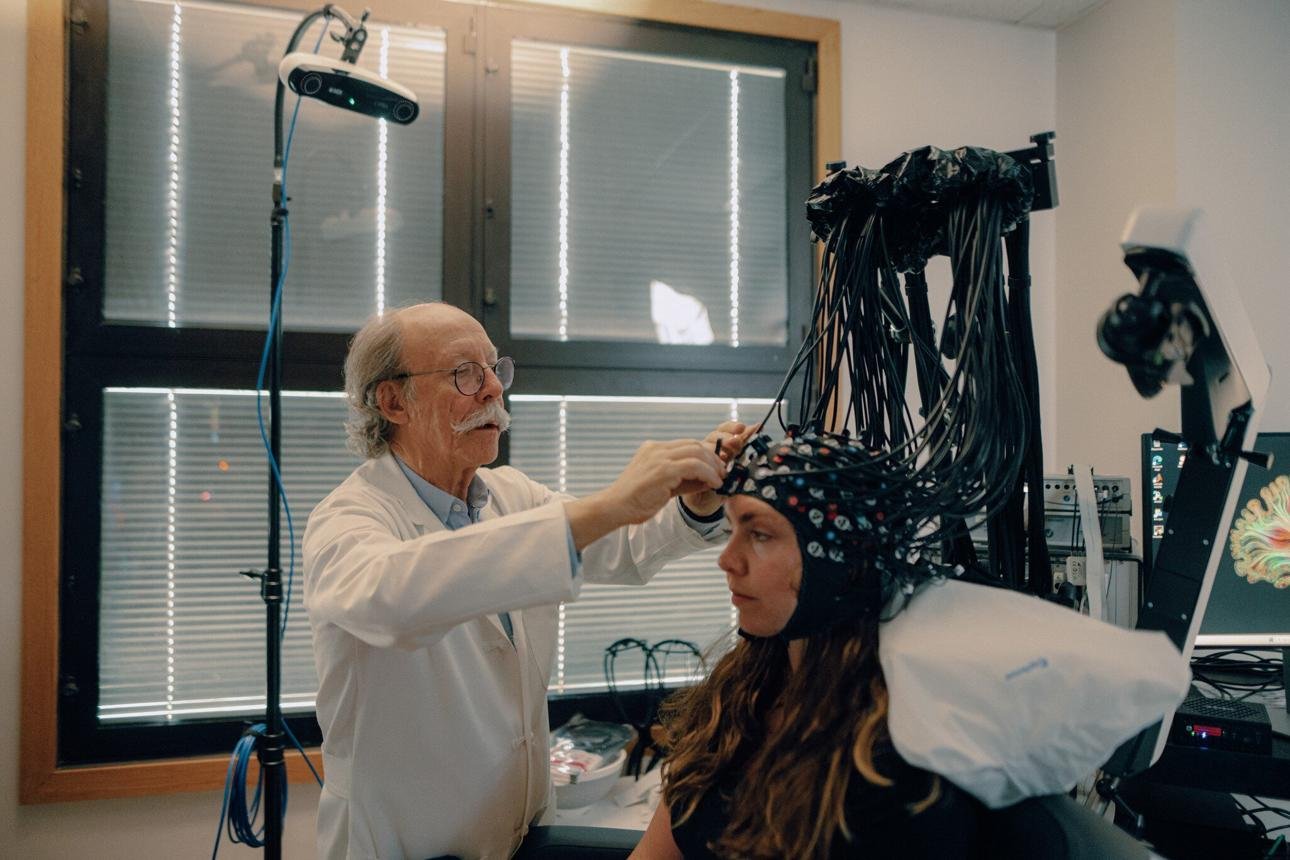
The researchers used two types of electrophysiological measurements.
Electroencephalography (EEG) was used to measure electrical activity in the brain, while electrogastrography (EGG) captured electrical activity associated with the stomach.
These signals were analysed together with information about patients’ symptoms. The researchers found that different symptom profiles were associated with distinct patterns of brain and gut physiology linked to treatment outcomes.
This highlights the potential importance of the brain gut connection in understanding differences in how people respond to psychiatric treatment.
What Did the Study Find?
The research included 206 participants, including 144 treatment naive patients with depression.
EEG and EGG measurements were recorded when treatment began and again approximately one week later. The predictive model was able to identify patients who were unlikely to respond to antidepressant treatment.
During development, the model achieved 84% sensitivity and 78% specificity for identifying non responders. When evaluated using an independent patient cohort, it achieved 77.3% overall accuracy, with 71.4% sensitivity and 80% specificity for identifying non responders.
These results are promising, but they do not yet establish the technology as a routine clinical tool.
Moving Toward Personalised Psychiatry
One of the most important implications of the research is the possibility of moving toward more personalised depression treatment.
People with depression can experience different combinations of symptoms and may respond differently to the same medication. Identifying biological subtypes could eventually help clinicians make more informed treatment decisions based on an individual’s physiological and clinical profile rather than relying solely on symptom assessment.
The researchers suggest that combining brain and gut electrophysiological markers with clinical phenotyping could provide a scalable approach to personalised treatment.
Reducing the Trial and Error Approach
For patients who do not respond to their initial medication, waiting several weeks before determining that treatment is ineffective can be frustrating and clinically challenging.
If future research validates these findings, early predictive tools could potentially help clinicians identify likely non responders sooner and consider alternative treatment strategies.
This could make depression management more responsive and reduce the time patients spend on treatments that are unlikely to provide sufficient benefit.
More Research Is Still Needed
The findings are encouraging, but the approach remains research based rather than an established clinical standard.
The researchers have emphasised the need for further studies involving larger and more diverse patient populations to validate the predictive model. Its performance will also need to be evaluated across different clinical settings and treatment approaches before widespread adoption can be considered.
The Future of Mental Healthcare
The study reflects a broader movement toward using objective biological measurements to complement traditional clinical assessment in mental healthcare.
Rather than treating depression as a condition where every patient follows the same treatment pathway, future care could increasingly combine clinical symptoms, physiological signals and personalised data to guide treatment decisions.