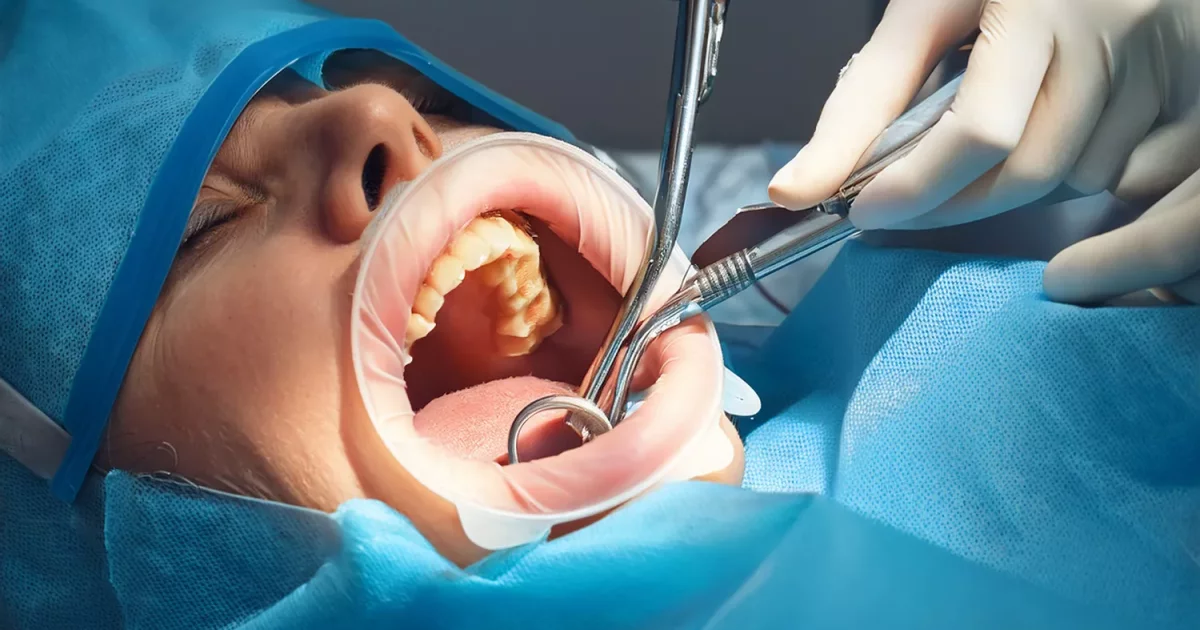
A Major Oral Health Problem That Often Goes Unnoticed
A broken, displaced or injured tooth may appear to be a relatively minor problem, especially when there is no severe pain or bleeding.
But dental trauma can have consequences that extend far beyond the initial injury.
According to experts from the Centre for Dental Education and Research at AIIMS Delhi, more than one billion people worldwide have experienced traumatic dental injuries. A 2018 study published in Dental Traumatology described traumatic dental injuries as a major global health burden that remains comparatively overlooked.
The experts are calling for greater awareness of prevention, immediate first aid and timely access to appropriate dental care.
What Is Dental Trauma?
Traumatic dental injuries can occur when an external force damages the teeth, gums or surrounding oral structures.
Common causes include:
• Falls
• Road traffic accidents
• Sports injuries
• Domestic violence
• Everyday accidents
Children and young people can be particularly vulnerable because falls and sports related injuries are common during these years.
The injury may involve a chipped or fractured tooth, displacement of a tooth or, in more serious situations, complete loss of a tooth.
The Global Burden Is Larger Than Expected
The scale of dental trauma is significant.
A study published in 2018 estimated that more than one billion people living worldwide had experienced traumatic dental injuries.
AIIMS experts note that if dental trauma were considered alongside the world’s most frequent acute and chronic diseases and injuries, its prevalence could place it among the most common health conditions globally.
Despite this scale, dental trauma often receives less attention than many other forms of injury.
Why Dental Trauma Is More Than A Broken Tooth
Dental trauma should not be viewed simply as a cosmetic issue.
An injured tooth can require repeated treatment, monitoring and rehabilitation over an extended period.
According to Dr Ajay Logani, Professor of Endodontics at AIIMS Delhi, a traumatic dental injury can initiate a long term cycle of treatment and follow up.
The consequences can affect:
• Oral function
• Appearance
• Long term dental health
• Psychological wellbeing
• Quality of life
For some patients, the initial injury can therefore become the beginning of a prolonged healthcare journey.
Children Need Special Attention
Children are particularly vulnerable to dental trauma.
Dr Nitesh Tewari, Professor of Pediatric Dentistry at AIIMS Delhi, highlighted that an injury in childhood can affect not only the injured tooth but also facial development, appearance, psychological wellbeing and quality of life.
This makes timely assessment especially important.
Parents should not assume that an apparently simple broken or displaced tooth can safely be ignored.
The First Few Minutes Can Matter
One of the biggest concerns raised by the experts is the lack of awareness about what to do immediately after dental trauma.
The first person responding to an injury may not be a dentist.
It could be a parent, teacher, sports coach, emergency responder or bystander.
Dr Sidhartha Sharma of AIIMS Delhi emphasised that knowing what to do with an injured tooth, what not to do, how to transport it and where to seek treatment can potentially influence the long term outcome.
This makes basic dental trauma first aid an important public health skill.
Dental Trauma Education Should Start Outside The Clinic
Experts believe awareness should extend beyond dental hospitals and clinics.
Schools, sports facilities, emergency services and local communities can all play a role in improving knowledge about dental injuries.
Teachers and sports coaches, for example, are often present when children experience falls or sports related injuries.
Equipping them with basic information about recognising serious dental injuries and seeking appropriate care could help reduce avoidable complications.
Prevention Can Reduce The Burden
Not every dental injury can be prevented, but many risks can be reduced.
Experts recommend greater attention to:
Safer Sports
Appropriate protective equipment and safer sporting practices can reduce the risk of dental injuries during physical activity.
Road Safety
Road traffic accidents remain an important source of traumatic injuries. Better road safety practices can therefore also contribute to reducing dental trauma.
Child Safety
Parents and caregivers can reduce injury risks by creating safer environments for children and understanding situations where falls and accidents are more likely.
Why Awareness Matters
A major challenge with dental trauma is that the injury may not always appear serious immediately.
A person may focus on pain or visible damage while overlooking potential injury to the tooth’s internal structures or surrounding tissues.
Professional assessment can help determine the extent of the injury and the appropriate course of treatment.
Early attention can also help reduce the risk of avoidable complications.
A Public Health Issue, Not Just A Dental Issue
The AIIMS experts’ message extends beyond the dental profession.
Dental trauma can involve emergency care, primary care, schools, sports organisations, families and community health systems.
Improving outcomes therefore requires a broader approach.
People need to know how to prevent injuries, recognise when an injury requires urgent attention and access evidence based treatment without unnecessary delay.
Building A Better Emergency Response
Dental trauma education could become part of broader first aid training.
Schools could provide basic guidance to teachers and students. Sports organisations could include dental injury response in safety protocols. Emergency departments could strengthen pathways for patients with significant oral injuries.
Such measures could help ensure that dental trauma is recognised as a genuine healthcare concern rather than dismissed as a cosmetic problem.
The Bigger Message For Oral Healthcare
The scale of dental trauma highlights an important gap in public awareness.
More than one billion people worldwide have experienced traumatic dental injuries, yet knowledge about prevention and immediate response remains inadequate.
Closing this awareness gap does not necessarily require complicated interventions.
It starts with simple knowledge:
Prevent injuries where possible. Recognise dental trauma quickly. Know the appropriate first response. Seek timely professional care.