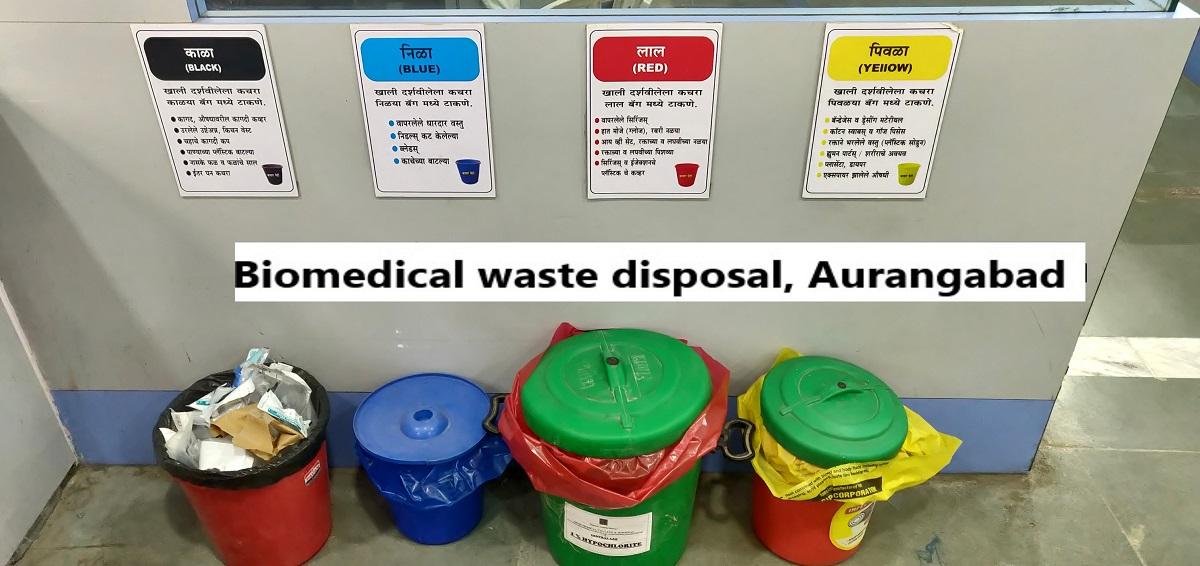
Nationwide Compliance Concerns
The Central Pollution Control Board (CPCB) has flagged significant violations in the disposal of biomedical waste across 17 states and Union territories. The findings were presented before the National Green Tribunal (NGT), which is examining concerns related to the handling, treatment and disposal of biomedical waste.
The issue highlights the importance of strict waste management practices across hospitals and healthcare facilities, particularly because improper disposal can create environmental and public health risks.
Deep Burial Under Scrutiny
Deep burial is permitted only in specific circumstances under the Biomedical Waste Management Rules. It is intended for rural or remote areas where a Common Bio Medical Waste Treatment Facility is not available, and it requires approval from the prescribed state authority.
However, the CPCB’s assessment has identified substantial gaps in compliance among facilities using this method.
Thousands of Facilities Assessed
According to the CPCB report, 9,178 healthcare facilities were using deep burial for biomedical waste. Only 5,715 facilities were found to be compliant with the applicable provisions.
Among the violations identified, 477 healthcare facilities failed to maintain the required minimum groundwater level of six metres below the burial pit. Another 341 facilities were operating without the necessary authorisation from the prescribed authorities.
State Level Gaps Raise Concern
The review also found major compliance gaps in individual states. In Uttar Pradesh, all 111 healthcare facilities assessed were found non compliant, while all 33 facilities assessed in Rajasthan were also reported as non compliant.
These findings underline the need for stronger monitoring and enforcement of biomedical waste management standards at the state and facility levels.
CPCB Prepares Enforcement Action
The CPCB has already communicated with the concerned State Pollution Control Boards and Pollution Control Committees regarding the violations. Facilities and authorities have been given a period of eight weeks to achieve compliance.
If the required corrective measures are not taken, the CPCB has indicated that directions under Section 5 of the Environment Protection Act, 1986 may be issued. These powers can include binding directions to regulate or even shut down operations in appropriate cases.
What This Means for Healthcare Facilities
For hospitals and other healthcare institutions, the development reinforces the importance of treating biomedical waste management as a core part of hospital operations rather than an administrative formality.
Healthcare facilities need to ensure proper segregation, authorised treatment and disposal, accurate documentation, regulatory approvals and continuous monitoring of waste management processes. Compliance is essential not only for meeting legal requirements but also for protecting healthcare workers, surrounding communities and the environment.
Stronger Monitoring Needed
The NGT has directed the CPCB to submit a further progress report before the next hearing, scheduled for October 28, 2026. This provides authorities with an opportunity to assess whether the identified facilities have taken corrective action.