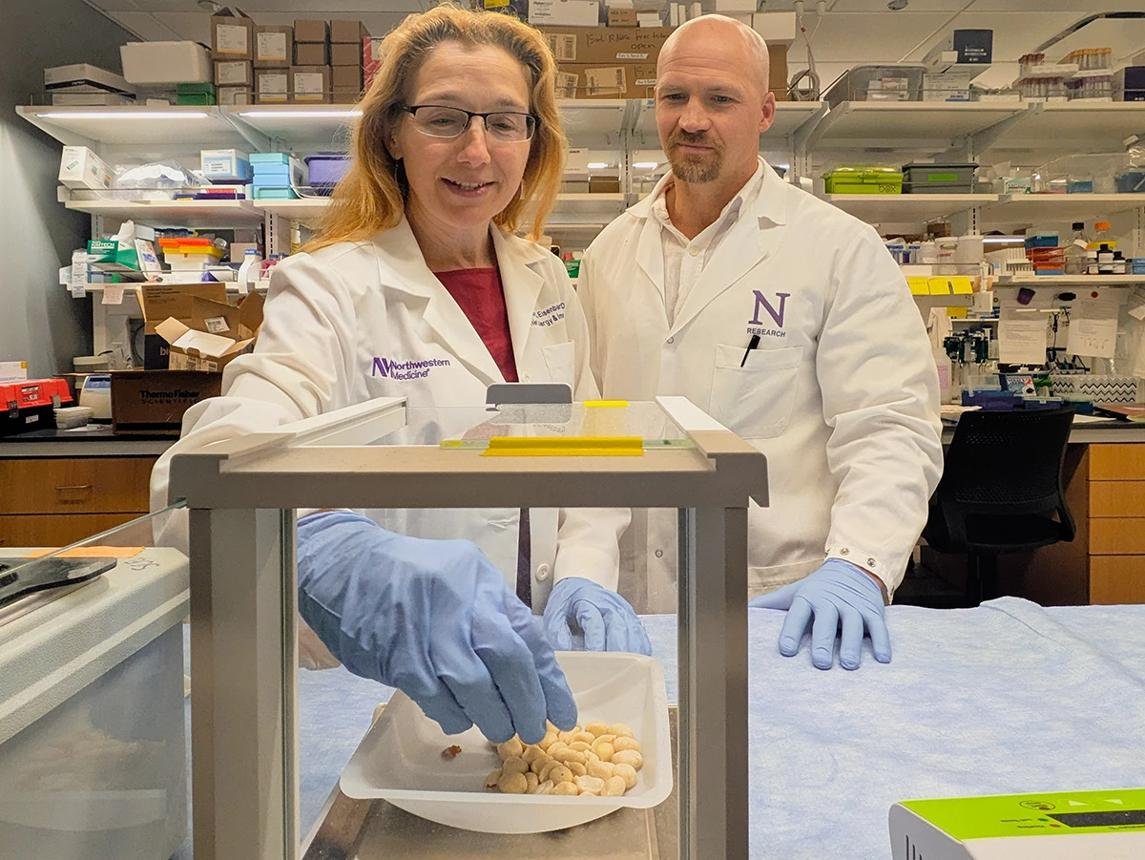
A New Direction in Peanut Allergy Research
Researchers are exploring an unconventional approach to peanut allergy by targeting the gut microbiome, the community of microorganisms living in the digestive system. Early findings suggest that microbiome based treatment may help some people with peanut allergy develop greater tolerance to peanut exposure.
The research adds to growing evidence that the gut microbiome can influence how the immune system responds to food and other environmental triggers.
How the Gut May Influence Allergies
The gut microbiome plays an important role in digestion, metabolism and immune regulation. Researchers believe that changes in the balance of intestinal bacteria may influence the body’s tendency to develop allergic immune responses.
By modifying the microbiome, scientists are investigating whether it may be possible to encourage a more tolerant immune response to allergens such as peanuts.
Promising Findings From Early Research
Early studies involving microbiome based interventions have reported encouraging signals in people with peanut allergy. The approach has included transferring beneficial gut microorganisms through carefully prepared microbiome therapy.
Some participants showed improved tolerance to peanut exposure following treatment, suggesting that changes in gut bacteria may influence allergic sensitivity. However, these findings remain early stage research and require larger, controlled clinical studies before the approach can become a standard treatment.
Why This Could Be Important
Peanut allergy can cause reactions ranging from hives and gastrointestinal symptoms to potentially life threatening anaphylaxis. Current management largely focuses on avoiding exposure, emergency preparedness and selected immunotherapy approaches.
A treatment that could modify the underlying immune response rather than simply manage accidental exposure could potentially change the long term management of food allergies.
The Science Is Still Developing
Despite the promise, microbiome therapy should not currently be considered a cure for peanut allergy. Researchers still need to establish which microorganisms are most beneficial, how long the effects last and which patients are most likely to respond.
The safety, consistency and long term effects of microbiome based treatments will also need careful evaluation.
A Broader Role for the Microbiome
The research reflects a broader shift in medicine toward understanding the connection between the gut microbiome and immune health. Scientists are investigating microbiome based approaches across several conditions, including gastrointestinal disorders, metabolic diseases and immune related conditions.
For allergy research, the goal is to understand whether manipulating the gut environment can help the immune system respond to allergens more appropriately.
Looking Ahead
Future clinical studies will determine whether microbiome therapy can become a practical treatment option for peanut allergy. If the findings are confirmed, microbiome based interventions could eventually complement existing allergy therapies and offer new possibilities for patients who currently have limited treatment options.