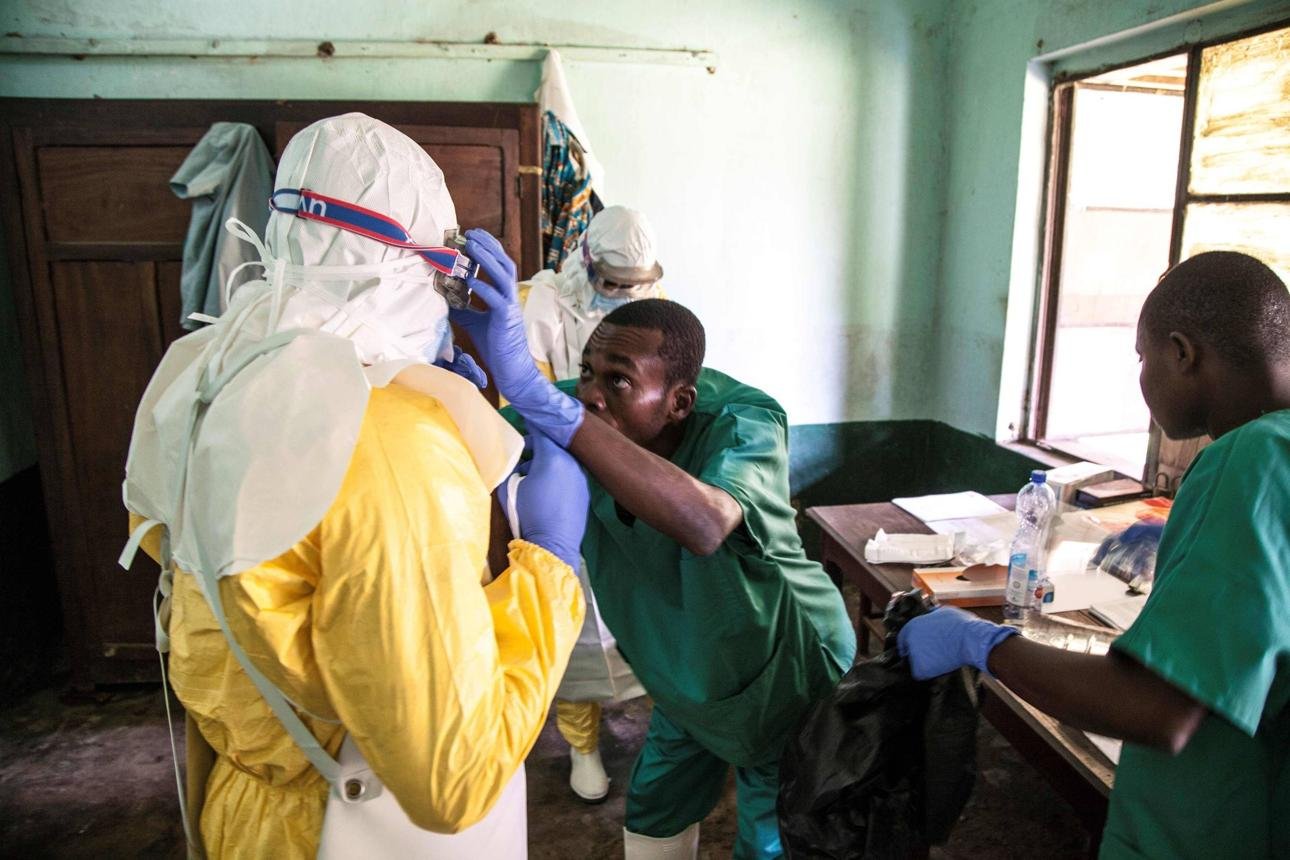
A Major Public Health Emergency
The Democratic Republic of Congo is facing its largest Ebola outbreak in recorded history, with government data showing 6,041 confirmed cases and 2,911 deaths as of August 31, 2026.
The current outbreak has now surpassed the country’s previous largest Ebola epidemic, which occurred between 2018 and 2020 and recorded 3,317 confirmed cases.
The rapid growth of the outbreak has increased pressure on healthcare systems and response teams working across several provinces.
A Rare Ebola Strain Is Driving the Outbreak
The outbreak is being caused by the Bundibugyo strain of Ebola virus, a relatively rare strain that presents a particularly difficult challenge for health authorities.
Unlike the Zaire strain responsible for several previous Ebola outbreaks, Bundibugyo virus currently has no approved vaccine or specific approved treatment. This has made research, clinical trials and supportive medical care particularly important in the ongoing response.
The Outbreak Has Spread Across Multiple Provinces
Response teams are currently working across six affected provinces, with particularly intense activity in Ituri, North Kivu and Haut Uele.
The outbreak has expanded rapidly through interconnected communities, with population movement, displacement and insecurity making disease surveillance and containment more difficult. WHO has previously reported that dozens of health zones have been affected across the country.
The situation is especially challenging in areas affected by conflict, where access to healthcare facilities and essential services can be severely restricted.
Nearly 3,000 Lives Lost
The latest government figures indicate that 2,911 people have died among the 6,041 confirmed cases, highlighting the severity of the outbreak. More than 1,360 people have also recovered, demonstrating that recovery is possible with appropriate care and access to treatment.
The high number of deaths also highlights the importance of early detection, rapid isolation, supportive care and effective infection prevention measures.
Healthcare Workers Face Significant Risk
Healthcare professionals remain among the groups at greatest risk during an Ebola outbreak because of their close contact with infected patients.
WHO has previously reported infections among healthcare workers during the current outbreak, highlighting continuing challenges with infection prevention and control. Attacks on healthcare facilities and insecurity have further complicated efforts to protect medical teams and maintain essential services.
Protecting healthcare workers is therefore not only a workforce issue. It is a critical part of controlling transmission.
Vaccination Efforts Are Underway
Although there is no approved vaccine specifically for the Bundibugyo strain, Congo has begun vaccinating frontline healthcare workers using Ervebo, a vaccine approved for the Zaire ebolavirus.
The vaccination programme is being conducted under a compassionate use approach, while clinical trials are being pursued to evaluate whether the vaccine can provide protection against the strain responsible for the current outbreak.
This reflects the urgent need to protect healthcare workers while simultaneously generating evidence that could guide future outbreak responses.
Why Controlling This Outbreak Is So Difficult
Containing Ebola requires more than treating infected individuals. Health authorities must identify contacts, monitor them, diagnose suspected cases rapidly and prevent further transmission.
In Congo, these activities are taking place against a backdrop of population displacement, insecurity, limited healthcare access and high population mobility. These factors can allow transmission chains to remain hidden and make it harder for response teams to reach affected communities.
Community trust is equally important. People need to feel confident seeking medical care, cooperating with contact tracing and following public health recommendations.
Global Health Implications
Although the outbreak is concentrated in Congo, its rapid expansion has implications beyond the country’s borders.
Population movement between countries creates a continuing risk of cross border transmission. Uganda, which recently ended its own Bundibugyo outbreak, remains particularly vulnerable to reintroduction because of ongoing transmission in neighbouring Congo.
This makes regional surveillance and preparedness essential.
The Bigger Lesson for Healthcare Systems
The current Ebola crisis demonstrates how quickly an infectious disease outbreak can overwhelm healthcare infrastructure when medical needs intersect with conflict, displacement and limited resources.
It also highlights the importance of early disease detection, laboratory capacity, infection prevention, healthcare worker protection, community engagement and rapid access to treatment facilities.
Strong public health systems are not only essential during an outbreak. They are what make early containment possible.