More than 100 people have fallen ill with Hepatitis A in Desujodha village in Haryana’s Sirsa district. The outbreak has affected mainly children and young adults, with health authorities investigating contaminated drinking water as the suspected source.
Rising Number of Suspected Cases
Over the past five days, the health department collected samples from 540 residents. Among them, 216 were identified as suspected cases, while 45 patients have been admitted to hospitals.
Two young women, aged 21 and 18, are reported to be in critical condition and receiving ventilator support at hospitals in Bathinda and Ludhiana.
Contaminated Water Under Investigation
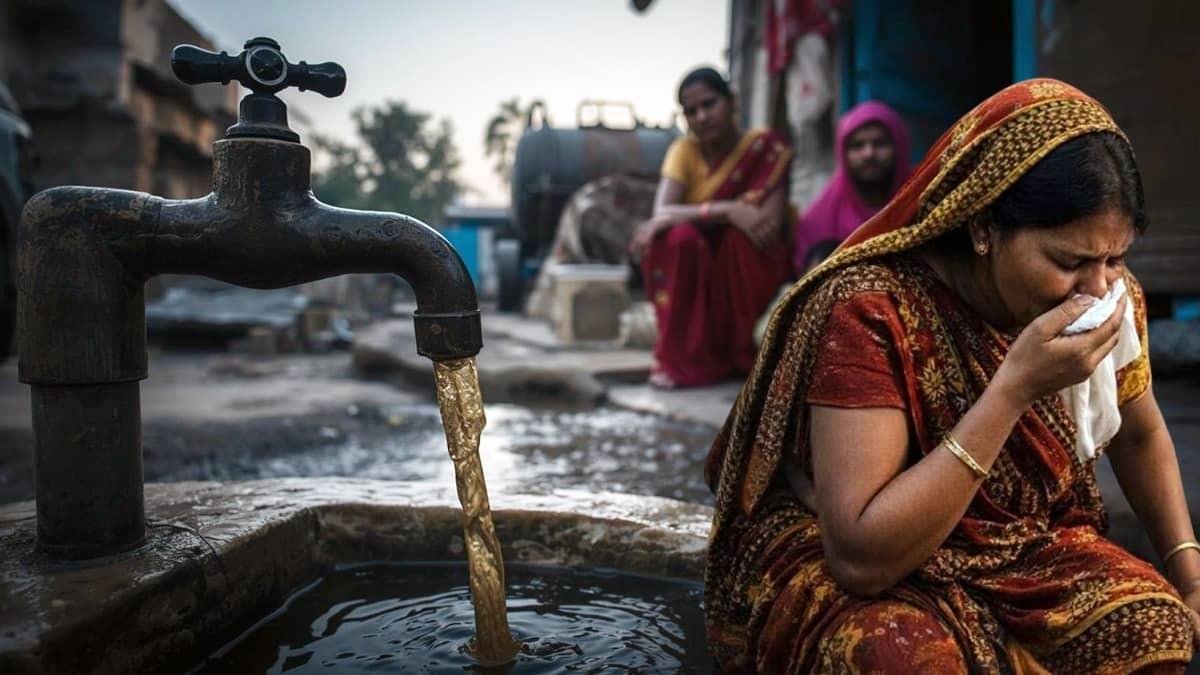
Local residents have alleged that leakage in newly laid drinking water pipelines resulted in contamination of the village water supply. Authorities are repairing affected pipelines and replacing old sections of the network.
Since Hepatitis A commonly spreads through contaminated food or water, ensuring a safe water supply is a key part of containing the outbreak.
Health Response Intensified
The district administration has deployed four doctors and medical staff in the village, along with an ambulance. Door to door health examinations are being conducted, while a special testing camp has been established for people showing symptoms.
Authorities have also assured residents that clean drinking water will be supplied and treatment expenses for affected patients will be covered by the administration.
Prevention Remains Critical
Residents have been advised to boil drinking water before consumption and maintain proper hygiene. Safe water, sanitation and hand hygiene remain essential measures for reducing the risk of Hepatitis A transmission.
The incident also highlights how problems in local water infrastructure can quickly become significant public health concerns.
What Happens Next?
Pipeline replacement work is underway and is expected to be completed within around 10 days. Meanwhile, continued surveillance, testing and medical monitoring will be important to identify new cases and prevent further transmission.