AdFalciVax: India’s Breakthrough in the Fight Against Malaria

India has achieved a historic milestone in health innovation with the launch of AdFalciVax, the country’s first indigenous multi-stage malaria vaccine candidate. Developed by the Indian Council of Medical Research (ICMR) in collaboration with RMRC Bhubaneswar, NIMR, and NII, this vaccine is a symbol of scientific self-reliance and public health progress. 🌍 Why AdFalciVax is […]

Read more

Take a Nap, Save Your Brain?

In today’s fast-paced world, naps are often dismissed as a luxury—or even a sign of laziness. But science is beginning to tell a very different story. New research from University College London, in collaboration with the University of the Republic (Uruguay) and the Broad Institute, suggests that daytime napping could be linked to healthier, larger […]
Read more

Turning Grief into Legacy: A Lesson for Us All

Grief is one of the deepest human emotions, and how families navigate it often shapes the lives of many others. In a remarkable act of courage, 32-year-old Vandana Jain, who suffered a miscarriage at five months, decided to donate her fetus to AIIMS-Delhi for medical research. Supported by her family, this decision has transformed a […]
Read more

Can Adults Really Grow New Brain Cells? Science Says Yes

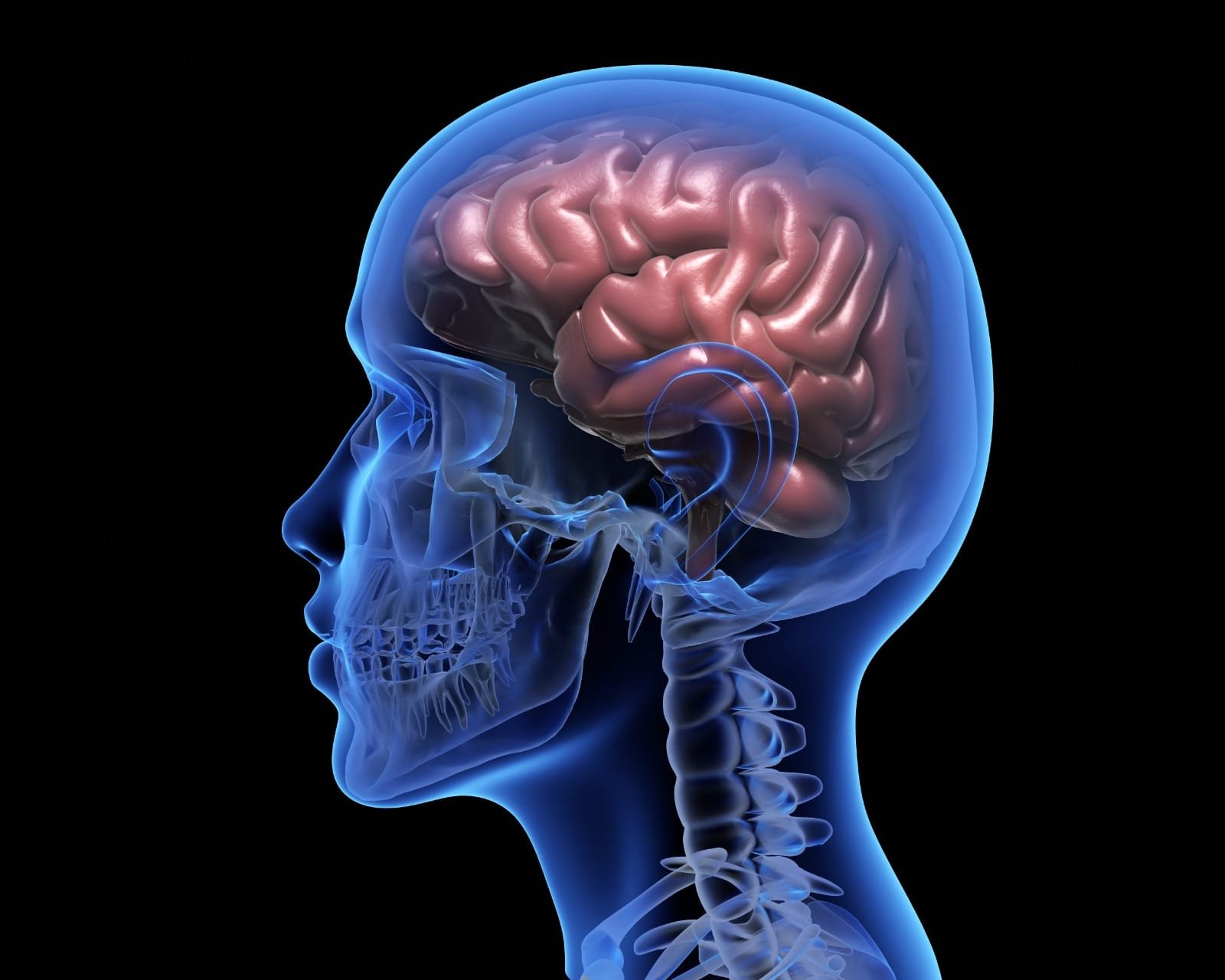
For decades, medical textbooks told us that once childhood was over, the brain stopped producing new neurons. But cutting-edge research is now rewriting that story. Scientists at Karolinska Institutet have discovered strong evidence that adult neurogenesis—the birth of new brain cells—does happen, particularly in the hippocampus, the part of the brain that controls memory and […]
Read more

Are Heart Attacks Sometimes Infectious?

For decades, heart attacks have been explained through the lens of cholesterol, hypertension, diabetes, smoking, and lifestyle habits. But new research from Finland and the UK suggests there may be another player in the story—bacterial infections. This groundbreaking study proposes that dormant bacterial biofilms inside arterial plaques can become active after viral infections or stress, […]
Read more

Not All Strokes Come with Pain: What You Need to Know

When most people think of a stroke, they imagine sudden paralysis, slurred speech, or intense pain. But the truth is, not all strokes come with dramatic warning signs. Some are “silent,” yet they quietly cause long-term brain damage and raise the risk of future, more severe strokes. For doctors and patients alike, recognizing these less […]
Read more

Contraceptive Pill Emerges as Unexpected Cancer Defender

Oral contraceptives have long been known for family planning and reproductive health. But recent research has revealed a surprising benefit—long-term use of the contraceptive pill may dramatically lower the risk of womb cancer (endometrial cancer). Published in Acta Obstetricia et Gynecologica Scandinavica, the study shows that women who use oral contraceptives for over a decade […]
Read more

Why Skipping or Delaying Breakfast Might Shorten Your Life

They say breakfast is the most important meal of the day—and science is starting to prove why. A long-term study from the UK has found that skipping or delaying breakfast could increase risks of depression, poor oral health, and fatigue and even shorten life expectancy. This research underscores the growing field of chrononutrition—the science of […]
Read more